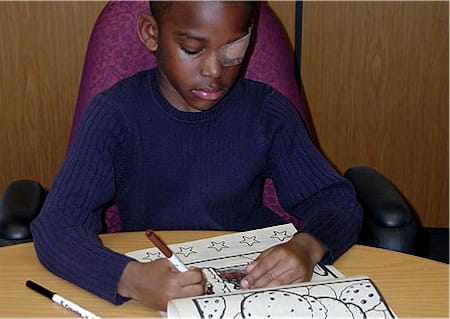
What is amblyopia
Amblyopia is a visual impairment in one or both eyes. In obvious cases, this visual impairment is characterised by strabismus.
Neuropool knowledge and self-help


Amblyopia is a visual impairment in one or both eyes. In obvious cases, this visual impairment is characterised by strabismus.
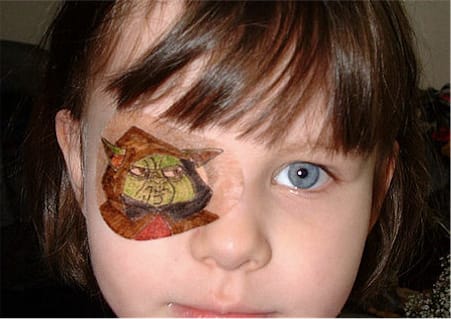
A relatively widespread problem in children is amblyopia, a visual impairment that is commonly referred to as "squinting". Amblyopia is one of the most common causes of reduced vision.
Humans need fresh water to survive. Water supports the digestion of food and regulates bodily functions. How harmful is it to drink seawater?
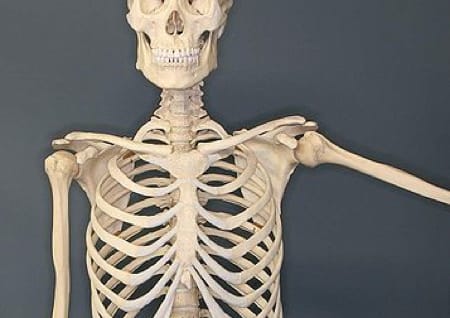
At birth, babies have around 305 bones, whereas an adult only has 206 bones. Why does the number of bones in the body decrease as we grow?

The optical illusion also has an effect on appetite: the same portion looks bigger on a smaller plate than on a large plate. The visual perception changes the perception and attitude towards the upcoming meal.

Suppressing a sneeze is not a good idea, no matter how annoying and inappropriate it is. Sneezing has a purpose, namely to remove dust, bacteria or pollen from the nose that do not belong there and cause irritation.

Some people have a compulsive habit of overstretching their knuckles until they crack, every few minutes. This can be extremely annoying for other people.
The important questions are whether you can do permanent damage to your fingers and why knuckle cracking seems to be so addictive:

For many people, starting the day without breakfast is a great time-saver or a way to lose weight. It is said that breakfast is the most important meal of the day, so how unhealthy is it to simply skip breakfast?

The assumption that the number of bacteria in the ear increases many times over if you wear headphones for more than an hour is widespread. It is said that by covering the ears, no air can get in and the bacteria can multiply.
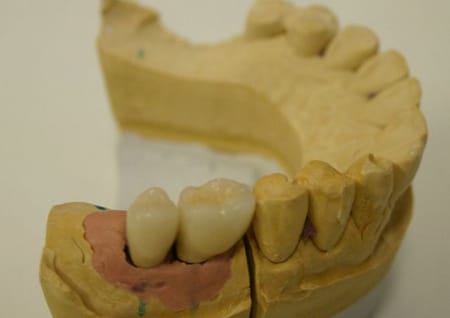
Dental implants support artificial teeth. An implant is a titanium screw that replaces the tooth root when a tooth is lost and holds the denture in place. Like the tooth root, the implant sits in the jawbone.