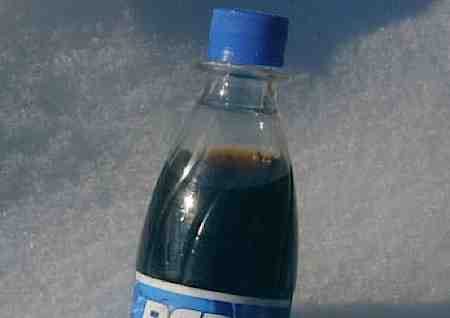
After a study by students at a university in Idaho, a warning was issued against using mineral water bottles or other plastic bottles more than once. The study stated that the bottles are intended for single use only and that after multiple uses they begin to decompose, releasing carcinogenic substances (diethylhydroxylamine or DEHA for short) from the plastic into the water.

The fact is that DEHA does not occur in PET bottles either as a raw material or as a decomposition product. It is suspected that the DEHA found in the study occurred due to impurities from other plastic components within the laboratory.
PET (polyethylene terephthalate) is used and recycled worldwide for food packaging and is 100% safe for food. PET is the most recycled plastic with the least environmental damage of all plastic materials. Even incinerated PET releases only carbon dioxide and water. A PET bottle weighing only 35g holds 1.5 litres of a carbonated beverage and withstands an internal pressure of up to 6 bar.
A PET bottle can be reused as much as desired, provided that it is rinsed regularly. As with any other food container, the main danger from multiple reuse is due to accumulated bacteria, which can be removed by simply rinsing.
What to consider when using PET bottles more than once
Bacteria contaminate any type of container and enter the bottle through hands, mouth and through the air. If the bacteria accumulate, serious illnesses can result. PET bottle should be rinsed regularly like other food containers.
Chemicals from the production of PET bottles can pass into the contents of the bottle, regardless of whether they are used once or several times. The amount of chemicals depends on the liquid inside, temperature and time. If a PET bottle is used properly, the amount of chemicals is too small for health effects.
The manufacturer vouches that the bottle is safe for its intended purpose. This does not mean that a plastic bottle can be used for every kind of liquid, for example, a water bottle should not be used to store vinegar or oil.
Temperature, improper use and prolonged storage can cause certain chemicals to penetrate the liquid which, while not harmful to health, can change the taste, smell and colour. Therefore, PET bottles should not be exposed to direct sunlight.
Another rumour is that freezing releases toxic and carcinogenic dioxins from the plastic. It has not been proven that dioxins are contained in PET bottles at all, which is why they cannot be released by the freezing process.
Before refilling a PET bottle, check it for damage and wash it thoroughly. If possible, fill each bottle with the same liquid for which the bottle was intended.
Allow all liquids to cool before pouring in, as the plastic will be deformed by heat of more than 70 degrees.
Do not drink from the bottle if other people are drinking from it, as the saliva can transfer bacteria.