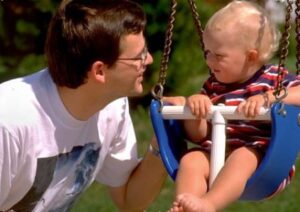

Trust must be mutual, if parents want their children to trust them, they must also trust the children. The basis for trust is honesty. Even if children occasionally lie to their parents, you should develop a family environment that promotes honesty and trust so that the little lies don't happen in the first place. This is how you build a better relationship between parents and children.
Children lie because they are afraid of the consequences. So if they tell the truth, they must not be made to feel that it would have been better to cover it up. Even if they have done something wrong, parents must not punish them too harshly if they admit it. Rather, they should talk to the child with understanding about why it was wrong.
Children watch their parents because they are their role models. The best way to encourage children's honesty is to set a good example yourself and not lie to them. Even if it is sometimes difficult to answer children's direct questions. Depending on the age of the child, you can formulate the answer in such a way that the child understands it without lying to them. In this way, the child learns to trust the parents and will confide in them.
Many parents take it personally when their child lies to them. It is completely normal for children to tell a little lie from time to time, it is part of their development. Parents need to understand that the child is lying in order to assert and defend themselves and that there is no fundamentally malicious intention behind it. Children only lie if they have an important reason for doing so. Parents should try to find out why the child has lied. Were they afraid of an angry reaction? Or did it have a desire for personal freedom? It would be wrong to label a child a liar. Instead, you should find out the truth and the reasons for the dishonesty.
Children face many challenges that parents have already forgotten from their own childhood. Peer pressure or media-supported stereotypes can cause the child to lie about themselves. Parents should sympathise with the child and remember their own childhood problems and talk openly about them. An open conversation promotes mutual trust and helps the child to understand honesty and trust.
Children first have to learn the concept of trust. The parent's job is to show the child what trust means and how to earn another person's trust. The lesson of trust includes keeping promises and following through with tasks, especially when someone else is relying on them. The child must learn to consider whether he or she can keep a promise before agreeing. They need to understand that obstacles such as tiredness, illness, friends, distractions or even procrastination can prevent them from keeping a promise. Only when the child understands their own limitations will their sense of responsibility be strengthened and they will try to be more truthful.
Behaviour and therefore trust is learned. The child should receive positive results for honesty and trust. If the child honestly admits a mistake, they should be let know the consequences of the action, but at the same time praised for telling the truth. Parents need to recognise how difficult it may have been to tell the truth and express this. Even if the child is punished for their misbehaviour, they should be told that the punishment will be reduced because of their honesty.
And for the parents, it is important to give the child the benefit of the doubt and not to suspect a potential lie behind everything. Because, as I said before, trust only works in a reciprocal way.