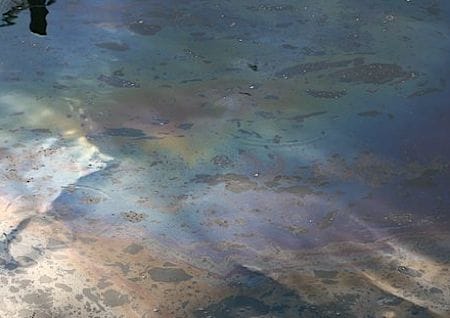
When crude oil escapes from oil tankers, it is referred to as an oil spill or oil disaster. The leaking oil spreads like an oil slick across the seawater and threatens the lives of countless marine animals and organisms. The ecosystem is often damaged for decades.

Young fish, amphibians and molluscs are particularly vulnerable to oil pollution, as their immune systems are not fully developed and they depend on regular feeding for their rapid growth. Marine mammals and birds usually have a better chance of surviving an oil spill as they are to some extent able to find a new habitat.
Oil spills have many different negative effects on marine organisms. In most cases, the chemical compounds cause immediate death, especially in larvae and juveniles, or they prevent vital feeding so that the juveniles die after a short time. Once the oil covers the water surface, the transition point between air and water is blocked. This prevents gas exchange and the gases necessary for a functioning ecosystem, such as oxygen and nitrogen, cannot pass through. The oil plague damages the immune function, hormone synthesis and reproductive capacity of marine animals and thus jeopardises the entire marine population.
Fish that live close to the water surface are particularly affected. Larvae usually develop on the surface of the water and are thus inevitably killed by the oil slick. Larvae exposed to oil concentrations of more than 8.75 mg of oil per litre of water overproduced the protein Sema3, which controls the growth of nerve tissue. This leads to abnormal growth of nerve tissue.
Polycyclic aromatic hydrocarbons (PAHs) are a component of crude oil and damage the DNA of marine animals. In previous samples, it was found that the DNA in the digestive glands of mussels was damaged.
Not only marine plants, but also plants growing on the shore, which serve as food for some sea creatures, are contaminated by oil in the water and traces of the oil remain in the plants. The lack of aerobic bacteria slows down the degradation of hydrocarbons in the plant.