Nail polish remover can do more than just remove nail polish from fingernails. After all, the acetone contained in many nail polish removers is a strong, highly flammable solvent. Here are some tips for the useful use of nail polish remover in the household.

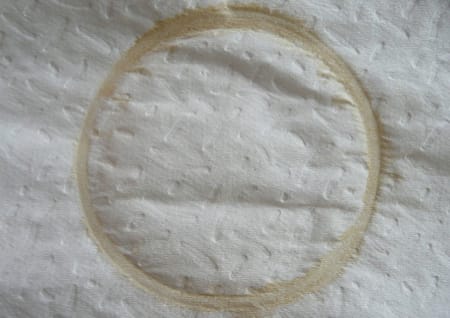
1. stains on porcelain. Ugly stains on crockery can be solved by rubbing with a little nail polish remover. Then rinse the dishes thoroughly and dry them. Apply the nail polish remover sparingly and do not leave it on for long so as not to ruin the shine of the porcelain.
2. leather shoes look like new if you carefully dab worn areas with nail polish remover. Then wipe with soapy water and dry and treat with leather conditioner.
3. abrasion marks on tiles caused by dirty shoes can often be removed with nail polish remover.
4. felt-tip pen and permanent marker come off walls, furniture or other smooth surfaces with ease. Even from the skin, the paint comes off quickly.
5. adhesive residues from stickers, which often remain on cars or windows after the stickers have been removed, only need to be worked on with a cloth and a few drops of nail varnish remover. Even stubborn adhesives are loosened by the acetone and stick to the cloth.
6. superglue. Don't panic if superglue has got on your fingers or even two fingers are stuck together. Soak cotton wool with nail polish remover and apply directly to the skin until the glue comes off.
Ink stains on skin and many textiles are magically removed by nail polish remover. Soak the spot well for a few seconds and rinse thoroughly afterwards. Not all textiles tolerate the sharp solvent, so test carefully first.
8. scratches on wristwatches and mobile phone displays. Rub a soft cloth moistened with nail polish remover on the scratched case until the scratches are no longer visible. This must be done very gently and carefully, because the acetone dissolves the plastic and thus seamlessly melts the surface.
9. Tipp-Ex. Since Tipp-Ex is rarely used any more, the vials can quickly become stuck. To make the liquid usable again, drip a drop of nail polish remover onto the stuck spot and shake. Keep adding drops until the opening is free again.
In most cases, paint stains on windows, window frames, furniture and floors can be easily removed with nail polish remover. If necessary, let it work for a short time, then wipe it off and clean the spot.
11. melted plastic on metal. If you have accidentally left a plastic bag on the stove, a spot of melted plastic may now be stuck there. You can loosen the plastic without scratching the surface of the metal. After the metal has cooled, rub the plastic with nail polish remover on a cloth. However, be careful not to damage the surface of the cooker.
12. disinfectant for metal surfaces. For tweezers, razor blades and other metal objects, nail polish remover with acetone works well as a disinfectant.
13. fuse plastic together. Acetone can fuse many types of plastic. Put nail polish remover on one spot and hold another piece of plastic to it until it dries.
14. as with stuck Tipp-Ex, a drop of nail polish remover can free up old glue bottles.
Ticks can be removed from the skin immediately with a drop of nail polish remover. However, wash the area thoroughly afterwards so that the acetone does not remain on the skin.
Important note: Nail polish remover containing acetone must not be drunk. Before using on surfaces and fabrics, first test on a small area and then clean the area well so that the solvent does not damage or even dissolve the material. For clothing, experts recommend oil-free nail polish remover. Acetone-free nail polish can also be effective against stains and adhesive residues in many cases, because ethyl acetate is the active ingredient in the solution instead of acetone.
Inexpensive nail polish remover is also suitable for household use.