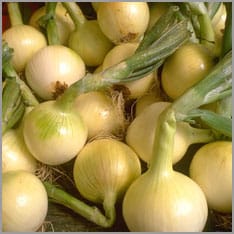
 In an organic garden, fruit and vegetables are grown without the use of chemicals. Only naturally occurring products may be used in an organic garden.

Is maintaining an organic garden worth the effort?
Chemicals are not good for the human organism. Even if the manufacturers of pesticides would have us believe that their poisons are completely harmless, research shows that even small amounts of pesticides can cause diseases such as cancer.
On average, a child ingests four to five times as many pesticides as an adult. This can lead to serious illnesses later in life, which can be prevented by eating organic fruit and vegetables.
Pesticides contain poisons that have only one purpose: to kill.
If you have an organic garden, you can efficiently utilise vegetable kitchen waste. Organic waste forms an excellent basis for compost fertiliser. In addition, the sensible utilisation of organic waste leads to a reduction in household waste.
Fruit and vegetables bought in the supermarket that contain pesticides are usually washed off before consumption. The washed-out toxins contaminate the water, killing off important organisms.
Organic gardening reduces soil erosion many times over. In the USA, an estimated 30 billion tonnes of soil are eroded every year through conventional cultivation.
The control of plant diseases can even save costs in organic gardens, as many organic agents come from the household. Certain plant varieties are also planted next to each other to prevent aphid infestations, for example. Marigold is known as a natural remedy against aphids.
A frequently used recipe against plant diseases is to mix a teaspoon of washing-up liquid plus 200ml of cooking oil in three litres of water and spray on the plants.
Pine needle mulch prevents weeds from growing and the soil from drying out quickly.