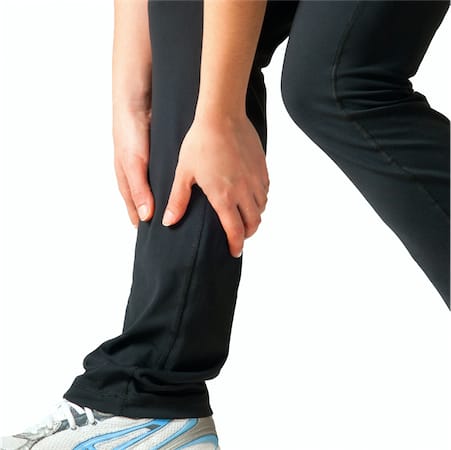
A pulled calf muscle often occurs as a result of sport or other physical exertion. The calf muscle is pulled when it is stretched forcefully and suddenly beyond its limits. This results in a tear in the muscle tissue.

How badly is the calf muscle pulled?
A pulled muscle can vary in severity. A slightly pulled muscle feels cramped, tense and painful when strained. The tears are only minor and the muscle takes less than two weeks to heal.
A moderate strain is more painful and sensitive to touch. This means that some muscle fibres have been torn. The muscle usually recovers completely within a month.
In the case of a severe muscle strain, the affected person can only move with severe pain and swelling is often visible. In this case, some muscle fibres are completely torn. If you have a severe muscle strain, you should see a doctor. Healing can take up to four months.
Treatment of muscle strain
You should always consult a doctor if you are unsure about the extent of the injury.
First aid for a pulled muscle is a cold treatment. Hold an ice pack or cold pack on the injured area for 20 minutes. This should be done at least four times a day. Do not place the ice directly on the skin, but place a thin cotton cloth in between.
A pressure bandage can be applied to prevent swelling. Apply a bandage tightly from the toes upwards to the injured calf. The injured area itself should not be bandaged too tightly.
An anti-inflammatory medication such as ibuprofen or paracetamol should be taken for the pain and inflammation according to the package leaflet.
The injured calf muscle must be spared. It is best to elevate the leg to alleviate the swelling. This is particularly important in the first 24 hours after the injury. During the first few days, take it easy on the leg, even with light movement, and if possible do not go beyond the pain threshold. Many people do not take a pulled muscle seriously and quickly resume sporting activities. This prolongs the healing of the muscle.
As soon as the muscle is pain-free, you can start with light stretching exercises. Stretch your leg and pull your toes in. Hold for 10 seconds, then relax. Repeat this exercise up to 10 times, then take a break.
Then press your toes down so that the calf muscle has to contract and hold the tension for 10 seconds. Repeat this exercise 10 times.
Normal sporting activity should only be resumed once the pain has completely disappeared.
In order to compress the calf muscle during the healing process, many people prefer to wear a support stocking for the duration of the treatment.