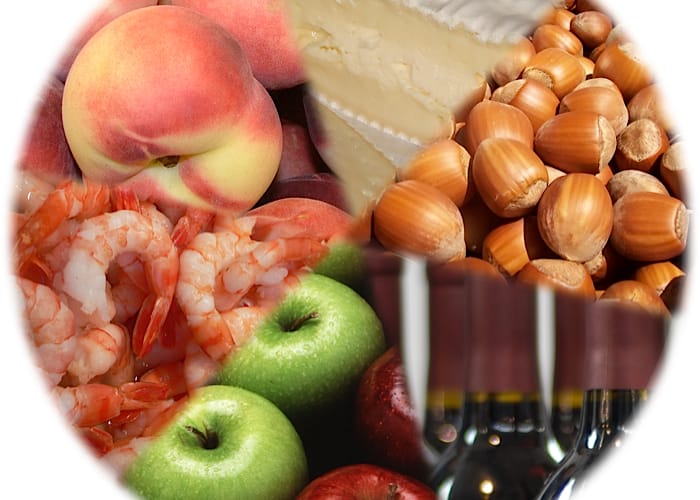
The term food allergy is used in common parlance for all unpleasant symptoms that can be triggered by certain foods. When looking at it in more detail, a distinction is made between allergy, intolerance and aversion.

Food allergy
True food allergies occur more frequently in children than in adults. In many children, the allergy disappears as they grow up. Most children develop food allergies between the ages of 3 and 5. An allergy is a reaction of the immune system to certain substances that are perceived as foreign bodies. People who suffer from allergies produce excessive amounts of immunoglobin E, an antibody, in response to certain foods, pollen or animal dander. The excess immunoglobin E usually causes reactions within a few minutes of contact with the allergenic substances. However, symptoms such as migraines, eczema or asthma may only appear hours or days later.
Food intolerance
Intolerance to certain substances can occur in different ways. Typical substances to which some people are intolerant are caffeine, tyramine (in cheese, yeast and red wine) and histamines (in beer, cheese, chocolate and tinned fish). They can cause symptoms such as migraines, flushing, diarrhoea and nausea.
Other foods such as strawberries and tomatoes cause the body to release histamines into the blood, which can cause symptoms such as flushing or low blood pressure. The level of susceptibility to these natural substances varies from person to person.
Food aversion
An aversion to certain foods usually has a psychological basis. Women who have suffered from severe nausea and vomiting during pregnancy often develop an association between the nausea and the odour of certain foods. Usually people are aware of the cause of their aversion, but occasionally this happens subconsciously, so these people undergo allergy tests or elimination diets to find the cause.