 Aromatherapy sounds like sensual fragrances, devotion, indulgence and pampering.
If the sound of this word conjures up images of flower petals, fragrant oils and ointments, a quiet place with a stylish ambience and a person who is completely devoted to our body, then either you have already enjoyed an aromatherapy session or your inner self is longing for one.

More and more centres and alternative practitioners are offering this form of sensory therapy, which, like much of this area of naturopathy, is derived from ancient traditions and has been specifically adapted for modern people.
But even in ancient Egyptian, Persian, Hebrew, Indian and Chinese times, to name but a few, aromatic ointments and oils were used to intoxicate the senses and transport people to other emotional levels.
Perfume oils, ointments and incense could be produced up to 5000 years ago. Applied over the centuries and improved by newer methods of extracting essential oils, an art developed that was slowly but surely perfected with the invention of distillation.
The power of flowers and medicinal plants is an ancient knowledge that has always been used not only for aesthetic purposes but also for medicine.
Back then, it was alchemists who carried out treatments and experimented with plant substances.
The term aromatherapy was coined quite late, almost during the Second World War, by the French chemist René Maurice Gattefosse. In 1936, he published a book entitled "Aromatherapy", in which he described the effects of essences from medicinal plants. His methods were taken up by his compatriot, Jean Valnet, who searched for suitable methods to alleviate suffering in war hospitals.
This laid the foundations for today's aromatherapy treatments. This is offered particularly in the form of massages and full-body rubs, usually in a cosy atmosphere to involve all the senses.
The mode of action depends on the chosen essence, i.e. the plant from which the essential oil was produced.
For example, thyme is used to treat flu and colds in the form of inhalations and liniments.
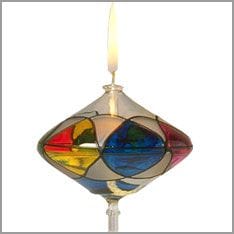
Another very popular way of using essential oils is in fragrance lamps, which fill the room with the chosen notes. Here it is important to choose the right oil to create a revitalising, calming or sensual effect.
There are now countless suppliers of essential oils on the market for home use, which also show the individual areas of application. Just make sure that these oils are genuine and not cheaply produced from synthetic substances.