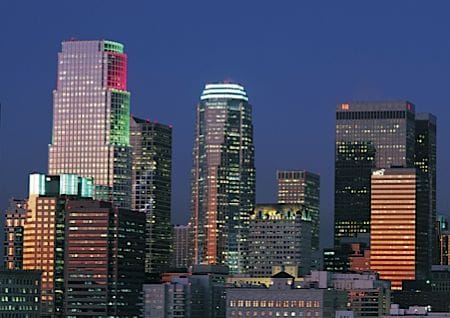
Around 70% of people in Europe and almost half of the world's population (40%) spend most of their lives in a city. In contrast to undeveloped or only partially developed land, the heavy development of a city creates its own local climate that affects the human body and its well-being.

The influence of the city on health increases with the size of the city. Cement and asphalt absorb the sun's rays and heat more quickly during the day and release it more slowly in the evening. Heat is also generated by heating, industry and road traffic. As a result, the temperature in the city is on average 2 degrees higher than in the countryside, in particularly large cities even up to 9 degrees.
The excess heat can put a strain on the body, especially in summer, mainly because the slower release of heat at night provides little relief.
The increased presence of dust particles in the air increases the possibility of condensation and leads to increased fog formation, especially in autumn and winter.
The warm air rises above the heat centres of a city, cools down and comes down again as precipitation. Cities also draw moisture from the surrounding countryside. This is why there is usually more precipitation in large cities than in the countryside. The larger the city, the greater the precipitation.
Air pollution from combustion fumes and aerosol particles plays another important role in urban health. Air pollution changes the radiation conditions and reduces the duration of sunlight and has an effect not only in the delimited urban area, but also on a large-scale climate. The city has up to 20% less solar radiation than the countryside.
Exhaust fumes cause respiratory diseases and cardiac activity.
Intense UV radiation can cause smog in urban centres through photochemical reactions, which is particularly harmful to health the less air exchange is available. The carbon monoxide and ozone contained in smog irritate the mucous membranes of the eyes and nose and lead to fatigue, headaches, breathing difficulties and nosebleeds.
On average, people in urban centres have a shorter life expectancy than people in rural areas.