The best diet can be ruined by snacking in between meals. Even with exercise, it can take an hour to burn 500 calories that you can easily eat in ten minutes with a snack in between.

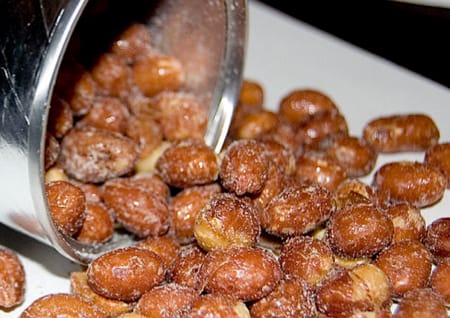
The sudden craving for a snack usually comes unplanned and exceeds the allowed calorie intake. The snacks you snack on in between meals not only taste good, especially if such appetising morsels are missing from a diet, they are usually ready-made and need no preparation. So temptation is strong, so every successful diet needs measures against sudden cravings for snacking.
What can you do about the desire to snack?
First of all, snacks should not be in the house in the first place. If they are easy to find, it is harder to fight against them in a weak moment. If you have to prepare the snack first, you are much less likely to be tempted to snack.
The main meals should be well balanced and, above all, filling. Sufficient carbohydrates, protein and vegetables are important so that the body feels satiated. Carbohydrates give the body energy, so when there is a lack of energy it is easier to reach for a snack because the body is looking to compensate for the lack. Proteins digest more slowly, so they keep you full longer. Vegetables contain fibre, which makes the stomach pleasantly full.
To satisfy the craving for something sweet, you can eat a piece of fresh fruit after the main meals.
Eat at least three well-balanced meals a day, preferably always at the same time, so that the body gets a good rhythm. This way, the body "knows" when it needs a new boost of energy and does not unnecessarily ask for more in between. It is better to spread the calorie intake over four or five somewhat smaller meals so that the metabolism maintains a high energy level and the body is constantly supplied with new nutrients.
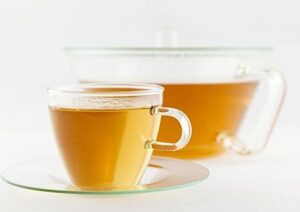
Drink enough fluids per day. Fluid, preferably in the form of herbal tea and water, gives the body a feeling of satiety. Often hunger in between meals is a sign of a lack of fluid, which can be compensated for by drinking a glass of water or a cup of tea. Always drink one to two glasses of water with meals, because the liquid causes the dietary fibres in the stomach to expand and increases the feeling of satiety.
A sugar-free chewing gum helps against a sudden craving for a snack. Chewing the gum satisfies the snacking craving without having to eat actual solid food.
If you are overcome with a sweet tooth, you can go and brush your teeth thoroughly, because the fresh, minty-smelling mouth changes the taste of the food and makes it easier to give it up. Also, the thought of clean, freshly brushed teeth that you don't want to contaminate again with food residue helps you fight the craving.