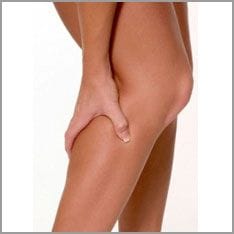
What is commonly known as intermittent claudication is actually a very serious and painful condition. The term "intermittent claudication" was coined due to the behaviour of those affected, which is reminiscent of a shopping spree; the sufferer feels a sharp pain in their legs when walking and intuitively stops. They wait until the pain has passed and continue walking until the next attack.
In medical terms, this disease is called peripheral arterial occlusive disease (PAD).
In simple terms, arterial occlusive disease is a shortness of breath in the muscles. Deposits in the blood vessels block the arteries and interrupt the blood supply. As a result, the muscles do not receive enough oxygen to function. This constriction usually occurs in the legs.
At first, the acute pain only occurs when walking, i.e. when the muscles are working, but as the disease progresses, the pain is permanent and does not even subside when lying down. Oxygen-deprived tissue dies and ulcers form. In severe cases, toes, feet or even the entire leg have to be amputated.
In most cases, however, it does not come to this; the disease stabilises or improves in 75% patients.

But there is not only a risk of amputation. The restricted blood supply can cause a heart attack or stroke. Deposits often form in arteries that supply the heart or brain without causing any noticeable symptoms.
The more advanced the PAD disease, the shorter the patient's life expectancy. On average, the life expectancy of a person suffering from PAD is shortened by ten years.
The disease is generally well treatable, but patients must adapt their lifestyle to the disease if they want to prolong their life expectancy. First and foremost, smoking must be stopped. The diet must be changed to a low-fat, high-fibre and vitamin-rich diet in order to reduce blood lipid levels and high blood pressure. Diabetics are also more at risk, so they should follow a disciplined diet and regularly check their blood sugar levels.
Exercise should also be done every day to promote blood circulation.
In addition to taking medication, doctors can widen severely narrowed vessels or place bypasses.
The four stages of intermittent claudication
Stage 1: The blood flow is restricted without showing clear symptoms.
Stage 2: The leg hurts when walking certain distances.
Stage 3: Permanent pain even when lying down.
Stage 4: Ulcer and dead tissue are present. Amputation is unavoidable.