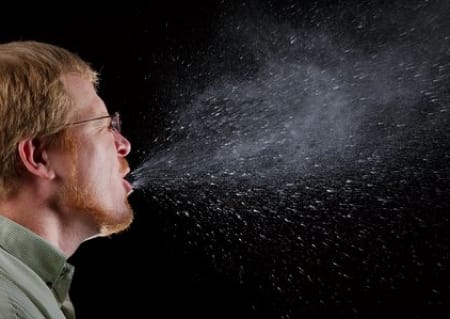
Coughing is the body's natural reaction to substances that irritate the airways, such as mucus, dust, allergens, stomach acid or pungent odours. The cough expels foreign bodies from the lungs and thus prevents infections. However, there are also illnesses that can cause severe and sometimes dry coughs, such as respiratory diseases, postnasal drip syndrome or chronic heartburn. Nightly coughing fits interrupt sleep and thus slow down healing.

The cough must be treated differently depending on the cause. Coughs triggered by allergy substances are best treated with antihistamines. These suppress the histamines that the body releases to fight the allergens.
The combination of antihistamine and decongestant nasal spray is recommended for postnasal drip syndrome. The nasal spray constricts the blood vessels in the nose, causing the swollen tissue to shrink. People with high blood pressure or heart disease should consult their doctor beforehand.
Heartburn is mainly treated by adjusting your diet. Certain foods that can trigger heartburn and coughing should be avoided and you should not lie down flat after a meal. Do not eat immediately before going to bed and avoid highly fatty foods, hot spices, fried foods, onions, garlic and citrus juices. Drink a glass of water with every meal and take a heartburn remedy as directed.
There are cough medicines that contain dextromethorphan, which is said to be effective against night-time coughing fits. However, you should be aware of the side effects of cough medicines.
A chest rub with camphor or menthol should be applied immediately before going to bed so that the healing vapours can reach the respiratory tract and combat the coughing irritation.
Additional advice: Avoid dairy products before going to bed if you have severe night-time coughing fits, as they have a mucus-producing effect.
Do not take medication in combination with alcohol.