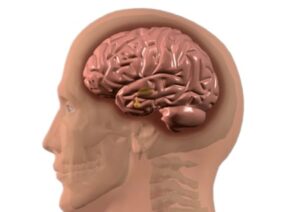
Caffeine is a substance that stimulates the nervous system and ensures that our body can run at full speed without increasing physical activity. Blood pressure rises and heart rate also increases.
It is common knowledge that the substances ingested by the expectant or breastfeeding mother are also passed on to the baby. Accordingly, in many cases the advice is followed and the consumption of coffee, green and black tea, cola etc. is severely restricted or even stopped altogether.
"Better safe than sorry", most people think, others find it difficult, especially if they still have to get up in the morning and work in the office during pregnancy.

Doctors advise reducing drinks with caffeine to 2-3 cups per day. Anything more can result in the baby also being affected, sleeping less well, being nervous and more unbalanced.
However, caffeine can also have harmful effects on unborn babies. An increased intake of caffeine can have a growth-inhibiting effect on the baby and lead to circulatory disorders. Caffeine constricts the blood vessels, which means that less oxygen is transported to the baby.
The same applies to iron, the supply of which to the blood is inhibited by caffeine and is less easily absorbed.
Furthermore, caffeine has a diuretic effect and means that the mother also excretes vitamins and minerals through increased urination before they can be absorbed, utilised and passed on to the baby.
In addition, caffeine is broken down much more slowly during pregnancy than is the case for non-pregnant women. During pregnancy, all metabolic processes are slowed down and the body needs more than twice as much time to break down the caffeine intake.
The effects can therefore have serious consequences, so it is advisable to minimise your caffeine intake as much as possible. Every body is different, so just one cup of coffee can make a big difference. The recommendations that are generally given should therefore be discussed with your doctor in relation to your personal situation and adjusted if necessary so as not to put your baby at unnecessary risk.
A different lifestyle can also help to keep the consumption of caffeine in check, because the craving for this substance always has to do with addiction and strategies to outsmart oneself help against this form of addiction.
A morning shower before the coffee that usually comes first can work wonders. Instead of tea or coffee, there are a variety of tasty alternatives, e.g. Roiboos, also known as Rooibos tea, which is brewed like tea and tastes similar.
Trying things out is better than sticking to your habits - after all, you are doing this for the good of your child.