Certain foods have the power to protect the heart. They prevent arteriosclerosis and counteract cell-damaging free radicals, combat high cholesterol and keep the heart healthy.

Almonds
Almonds contain monounsaturated fatty acids, magnesium, calcium, potassium and fibre.
Recommended amount per serving: 30g; approx. 160 kcal.
One portion of almonds contains about 9g of unsaturated fat, which reduces the "bad" cholesterol LDL and increases the "good" cholesterol HDL. As a snack between meals instead of a sandwich or potato crisps reduces LDL levels by 5%. In addition, one portion of almonds contains 10% of the recommended daily intake of calcium and 25% of magnesium. Almonds also provide 60% of the recommended amount of vitamin E, an artery-protecting antioxidant, and 2g of fibre.
Apples
Apples contain potassium, antioxidants and fibre.
Recommended amount per portion: one medium-sized apple; 85 kcal.
Red Delicious, Granny Smith and Gala are the apple varieties that are richest in antioxidants due to large amounts of the flavonoid quercetin. Flavonoids are natural substances that fight free radicals and prevent inflammation and cancer.
Apples are also rich in pectin. Two apples a day significantly reduce LDL cholesterol levels.
Carrots
Carrots contain beta-carotene, which prevents arteriosclerosis.
Recommended amount per portion: 200g cooked; approx. 30 kcal.
The antioxidant power in cooked carrots is twice as high as in raw carrots, as the heat during cooking breaks down tough cell walls so that the body can absorb the contents of the cells more easily. Carrots are rich in fibre and contain blood pressure-lowering potassium and homocysteine-lowering folic acid.
Lean beef
The strength of lean beef lies in its vitamin B6, B12, stearic acid, iron and zinc content.
Recommended amount per serving: 100g (177 kcal)
100g of lean beef completely covers the daily requirement of vitamin B6 and B12. High homocysteine levels are associated with an increased risk of heart attack and stroke. Although beef contains a high amount of saturated fatty acids, one third of it is stearic acid, which has a positive effect on cholesterol levels.
Garlic
Garlic contains allicin and other sulphur compounds that lower blood pressure and cholesterol.
Recommended amount per portion: One to two cloves of garlic; approx. 4 kcal.
The ingredients in garlic are very healthy for the heart, lowering blood pressure and reducing the amount of harmful LDL cholesterol. Garlic also flavours food so that less salt can be used.
Kidney beans
Kidney beans contain fibre, folic acid, potassium and magnesium.
Recommended quantities per portion: 100g cooked; approx. 120 kcal.
Eating kidney beans four times a week reduces the risk of heart disease. Thanks to the high amounts of protein and fibre, beans provide energy and stabilise blood sugar levels.
Walnuts
Walnuts contain more omega-3 acids than any other type of nut.
Recommended amount per portion: 25g (about 14 halves); 160 kcal.
Omega-3 fatty acids prevent blood clotting and promote a healthy heart rhythm. Walnuts are also rich in vitamin B6, which regulates homocysteine levels. The tasty nuts also contain the amino acid arginine, which causes the body to produce nitric acid, a molecule that relaxes constricted blood vessels.
Oatmeal
Oatmeal contains cholesterol-lowering fibre and slow-release carbohydrates that keep blood sugar levels stable.
Recommended amount per serving: 50g dry; 150 kcal.
Oatmeal acts like a sponge in the intestine and absorbs cholesterol-rich bile acids. A bowl of oatmeal a day reduces cholesterol levels by 2-3%.
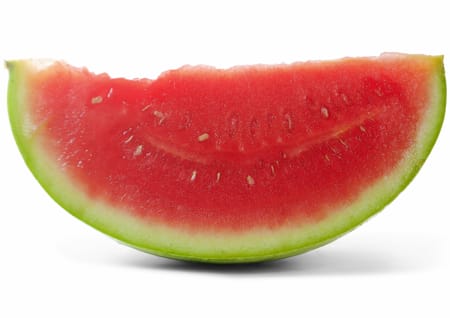
Watermelon
Watermelon contains lycopene and potassium.
Recommended amount per serving: 200g; 60 kcal.
A 200g slice of watermelon contains around 275mg of potassium and a lot of the antioxidant lycopene.