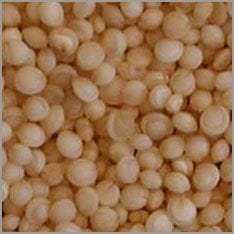
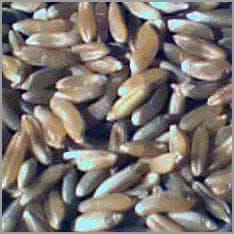
 From the title you can already tell that kamut is something edible, but you wouldn't suspect that it is one of the oldest known cereals in the world.
To find this out, you have to do some research in the past, namely with the ancient Egyptians, because they were only too happy to eat kamut. Both the grain and its history are largely unknown to us.

The name kamut comes from the language of the ancient Egyptians and simply means "bread". In their times, this grain was grown there and processed into bread. Finds in the pyramids put the descendants of the ancient Egyptians and the western world on the trail of this grain that had fallen into oblivion. They found some of the kamut grains and actually got them to germinate, which made new cultivation possible.
Whether this is just a legend or reality remains to be seen, but the fact is that this grain is becoming increasingly popular today, e.g. in the USA and Canada.
With 30% more vitamin E content than normal grain, kamut still exceeds the antioxidant qualities of its relatives. These in turn have a positive effect on preventing the development of vascular diseases.
Kamut grain also contains valuable proteins, carbohydrates and fibre as well as several minerals such as magnesium, zinc, selenium, calcium and vitamins from the B group. Kamut is also gluten-free.
The digestibility of Kamut is very good and there is less risk of allergies, as the breeds are not crossbreeds, such as most crossbred cereals, which often promote allergy formation.
The culinary possibilities of kamut are manifold. The grain can be cooked like rice, but the cooking time is slightly longer at about 50 minutes. It can also be served in swollen or sprouted form as an ingredient in salads, but can also be used as a side dish and in vegetable dishes or stews.
The thin skin of kamut makes it easy to digest, yet it is very tasty and at the same time has an invitingly crunchy appearance, which is partly due to the size of the grain.
Wok vegetables with kamut
For a simple recipe with kamut, swell about 200g of the grains overnight, then boil them in enough water for about 50 minutes to an hour until soft and prepare them in a wok with fresh vegetables of your choice. To do this, add the finely chopped vegetables and some fresh, grated ginger to highly heated oil in the wok, where the vegetables are cooked for a few minutes, then the kamut and some chopped parsley are fried for a further two minutes, as is usual with woks, over a constant high heat and with constant movement.