Everyone likes to eat cake, but only experienced housewives and househusbands dare to bake it, even though it's not that difficult.
Apart from a good recipe that actually has balanced and proven measurements, the right utensils and ingredients, you also need a few tricks to make the cake a success.
The equipment you use for baking cakes depends on what you already have in the house or whether you are prepared to spend money on buying new equipment.

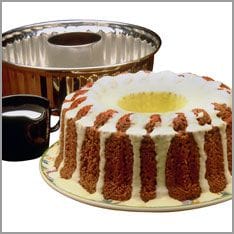
However, a baking tin is essential, a round tin, e.g. a springform tin, which makes it easier to remove the cake, or a loaf tin, both with or without a non-stick coating. Fortunately, most recipes indicate which tin is appropriate, so you can decide for yourself how to use it.
You need a mixer, if not electric, such as a whisk or manual mixer, but a fork is not suitable.
Furthermore, a container for mixing the dough and a container with measurements for weighing, or a kitchen scale.
It is not so important to have an electric mixer to hand when kneading dough, but it is recommended when mixing dough, as hand mixers are rather time-consuming and it is not so easy to guarantee that the cake will be fluffy.
Loose is the magic word and exactly what you want to achieve.
You should therefore always pass the flour through a fine sieve, as this reduces lumps and makes the cake ... fluffier!
You should always follow the quantity instructions for baking powder exactly, as this is the only way to keep the cake ... fluffy!
If there are eggs in the recipe, you should take them out of the fridge some time before you use them, as they will combine more easily with the other ingredients and the cake will be ... fluffier.
You should also not use butter or margarine straight from the fridge if you want the cake to be ...fluffy!
All ingredients are processed according to the recipe, but the following rule of thumb applies to most sponge recipes:
First mix the butter or margarine with the sugar until it becomes foamy, then add the eggs and spoonfuls of flour alternately, as well as the remaining ingredients.
Grease the tin or line it with baking paper before pouring in the batter and preheat the oven if necessary. Towards the end of the baking time, use a wooden stick to test whether the cake is done; if the dough sticks to it, bake the cake for a further 5-10 minutes without increasing the temperature.
If nothing sticks, the cake is ready and should be removed from the tin and placed on a cake rack to cool. Some cakes remain in the tin until they have cooled down, but this should be checked in the recipe.
Enjoy eating the hopefully fluffy cake!