Unfortunately, there are many people who carelessly waste and throw away good food. In fact, the amount of food that is thrown away every day is staggeringly high. The average waste of valuable food is estimated at 27%.

Each and every one of us can help to limit this waste. First and foremost, we need to pay attention to our own consumption and food handling habits. However, it is also important to make others aware of this waste, as it is usually only carelessness that leads to food being wasted.
Children should already be informed about the value of food and learn ways to avoid wastage. Children are generally still very receptive to information. Children should learn about the poverty of some nations, but also of individuals in their own country. This should not just be theory, but the reduction of food waste should also be practised.
You should be realistic when buying fresh and perishable food. It is better to have to buy more than to have too much left over. If you do have leftovers, you should freeze, dry or otherwise preserve them if possible. Stale bread does not have to be thrown away, but can be hardened and made into breadcrumbs. Check the fridge every day for best-before dates on dairy products, eggs and meat products so that they can be used up before they spoil. Do less hoarding and only buy what can be eaten before the next purchase.
Leftovers can be turned into stews or sauces. You can make a very tasty sauce by cooking all the leftover vegetables and meat together with spices in a pan and then putting them in a blender. You can use sauce thickener or plain flour as a thickener.
If you have too much food that you can't possibly eat before the expiry date, you should offer it to your neighbours.
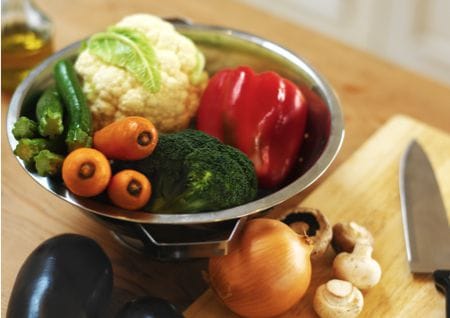
To prevent food from spoiling, it should also be stored properly. Fruit and vegetables will keep longer if they are stored in a dark, cool place. Dry goods must be stored in a dry place so that they do not absorb moisture and become mouldy.