Gluten intolerance in dogs: how does it affect them? About 1% of the world's human population suffers from gluten intolerance (coeliac disease); this condition can also occasionally affect dogs. Gluten is a protein found in many foods, especially wheat. When a dog suffering from coeliac disease eats food containing gluten, problems occur in the digestive tract, just as they do in humans. If these problems are permanently ignored, the animal can suffer from malnutrition because the intestine does not absorb the vital minerals and vitamins sufficiently.

What causes gluten intolerance in dogs
Gluten intolerance is an autoimmune disease because when the coeliac dog ingests gluten, his body reacts allergically to the gluten. The cause of the disease is not well understood, but it is thought that there are genetic factors that contribute to the development of celiac disease. Some breeds of dogs are more susceptible to the disease, such as the Irish Setter.
Gluten intolerance in dogs is usually diagnosed between 3 and 6 months of age.
How to recognise gluten intolerance in dogs
Typical symptoms of gluten intolerance in dogs are chronic, slimy diarrhoea or constipation lasting for days, vomiting, anaemia, weight loss despite sufficient food, general weakness and listlessness.
Occasionally, dogs that are intolerant to gluten but eat gluten-rich foods will show poor skin and coat condition, even coat loss. Sometimes skin lesions or dandruff appear. The dog tends to scratch frequently because the skin and coat are itchy.
The itching often leads to secondary skin infections.
Nutrient deficiency due to gluten intolerance in dogs
Gluten intolerance (coeliac disease) affects the absorption of nutrients in the dog's body, causing the dog to suffer from nutrient deficiencies in the long run. This is because when gluten is ingested, the body produces antibodies to remove the unwanted substance from the body. The antibodies attack the intestinal villi, which help absorb the nutrients and pass them into the bloodstream. If the intestinal villi are damaged, they can no longer work efficiently and many nutrients are excreted from the body unprocessed in the faeces. So even if the dog eats enough food, it suffers from acute nutrient deficiency.
Diagnosis of gluten intolerance in dogs
The vet can determine whether the dog has coeliac disease by blood tests and tissue samples from the intestines. If the dog is diagnosed with coeliac disease, its diet must be changed to a gluten-free diet. As a dog owner, you need to look at ready-bought dog food as well as treats to see if they are gluten-free. Alternatively, you can prepare a gluten-free diet for the dog yourself.
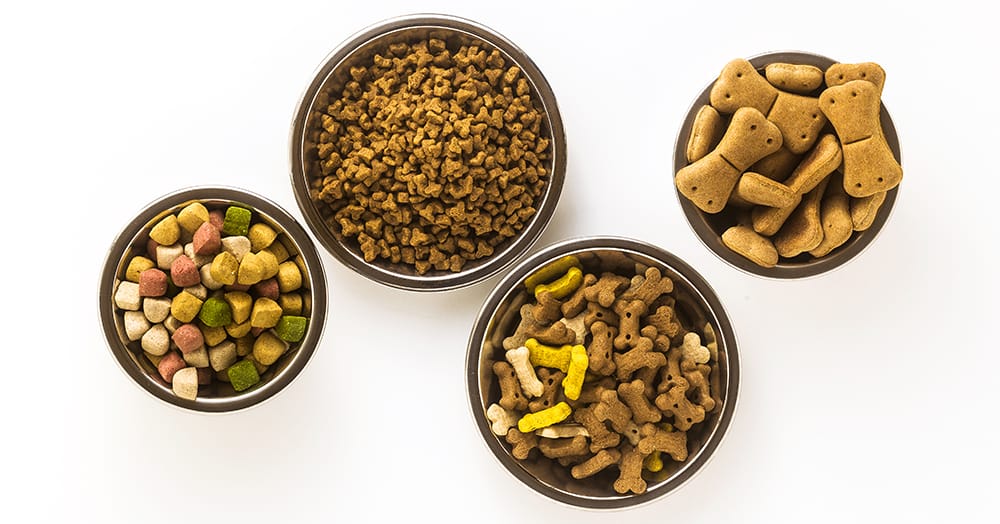
What is gluten-free dog food
Is a gluten-free diet right for my dog
Is gluten-free dog food better