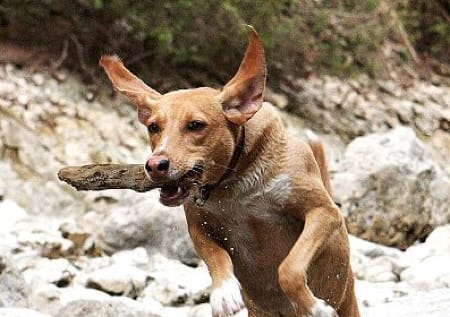
Iron is a vital component for keeping a dog healthy. In the blood, iron combines with copper and proteins to form haemoglobin, the blood pigment that transports oxygen. Iron also ensures the function of important enzymes in the dog's body. On average, a dog needs 18 mg of iron per day per kilogramme of dry food consumed. Iron deficiency can lead to serious health problems in dogs.

Causes of iron deficiency in dogs
Iron is mainly absorbed in the small intestine. The red blood cells only survive for around 110 days, after which they die and need to be replaced. Iron deficiency becomes noticeable when the red blood cells do not develop properly and are smaller than usual. There are various possible causes of iron deficiency in dogs.
Possible causes include internal and external blood loss, blood-sucking parasites such as worms, ticks or fleas, urinary tract infections, lymphomas or stomach and intestinal ulcers. The stomach and intestinal area is affected in most cases of iron deficiency in dogs.
Symptoms and diagnosis of iron deficiency in dogs
Typical symptoms of iron deficiency in dogs are apathy, stunted growth in puppies, depression, blackish faeces, rapid and shallow breathing, weight loss and susceptibility to illness. Iron loss can be diagnosed by the vet through blood tests, urine tests, faecal analysis and bone marrow aspirate.
Treatment of iron deficiency in dogs
Depending on the severity of the iron deficiency, there are various treatments for the dog. Less serious cases are treated with iron supplements and injections as well as a change in diet. However, as the dog's body does not absorb iron well in cases of severe iron deficiency, the vet may advise blood transfusions and administer iron supplements intravenously. The treatment of iron deficiency usually takes one to two months.
The dog must be observed during treatment. As soon as the dog's iron balance has normalised, the dog can resume its usual activities.