Cordoba is a pretty, Arabic-influenced city in Andalusia, in the south of Spain.

What is there to see in and around Cordoba?
Here are the highlights of the Cordoba region.
Accommodation:
In Cordoba, we stayed at the Hostal Maestre in Calle Romeros 16. This is a nice and, above all, inexpensive hostel right in the centre of Cordoba. In the low season, a double room costs €27 per night.
Places of interest:
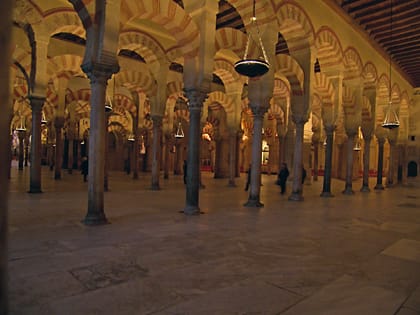
From there, we were able to see the city centre easily on foot. The most important and probably most famous sight in Cordoba is the Mezquita, a former mosque that was Christianised. The interior impresses with its forest of huge archways (over 1000) made of onyx, marble and granite. Outside there is an enchanting orange garden (Patio de las Naranjas).
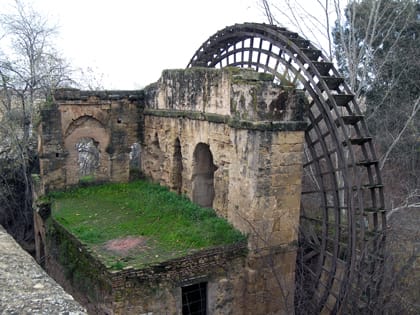
Next to the Mezquita on the riverbank are the Sotos de la Albolafia, ancient mills connected by a path between the two bridges Puente Romano and Puente de San Rafael.
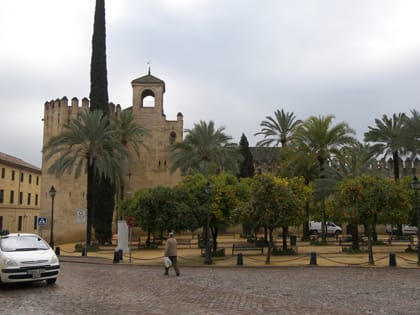
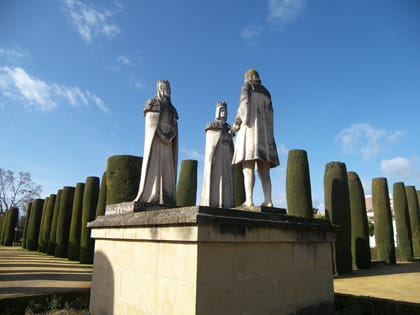
A few minutes' walk away is the Alcazar, the palace of Cordoba with its impressive gardens. You can climb the towers of the palace and enjoy a view of the gardens.
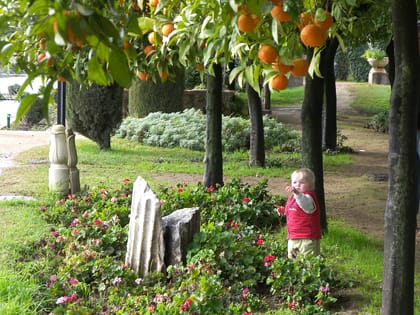
The gardens are well worth a stroll. Like almost all the streets in Cordoba, the paths in the garden are lined with orange trees. Unfortunately, the oranges are not edible, they are terribly bitter.
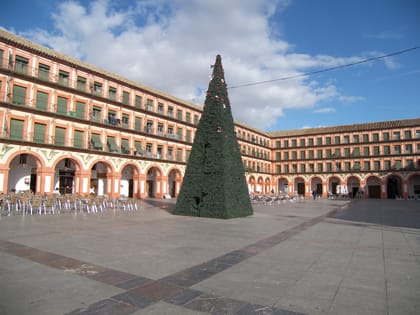
Through a maze of narrow streets with hundreds of souvenir shops selling, among other things, artistic ceramics from the Cordoba and Morocco region, you can find your way to the Plaza Mayor (unavoidable in Spanish cities). There are numerous restaurants there.
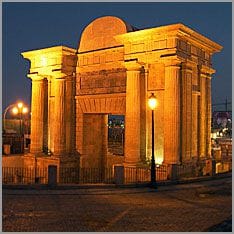
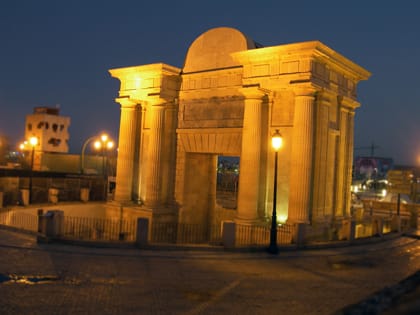
Like so many European cities, the Arc de Triomphe is of course a must in a historically charged city like Cordoba.
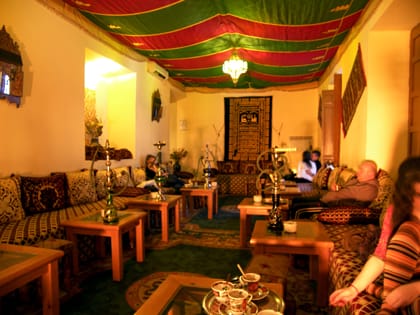
After a busy day exploring the city, we settled down in the evening in an original Moroccan tea house. They not only served mint tea, but also dozens of types of tea and Arabic coffee, as well as Moroccan sweets. The whole thing was accompanied by Arabic music while some of the guests around us smoked hookahs. Definitely worth a visit!
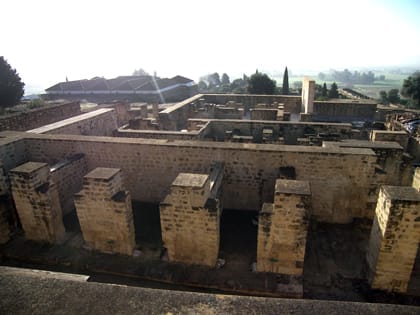
For the next day, we had planned to visit the Medina Azahara (Madinat-Al-Zahra), the ruins of an ancient Arab city located around 10 kilometres northwest of Cordoba. Of the total 112 hectares, only around 10% have been excavated and restored to date. Entry to the site is free, only parking costs €0.80. There is also a tourist bus service.
The highlight is the Salón Rico, the house of Caliph Abd Ar-Rahman III.
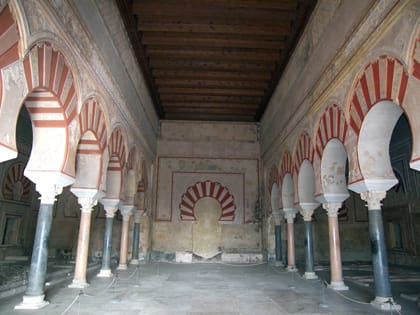
We then drove another 10 kilometres to Almodovar del Rio, where there is a castle with a fantastic view. The castle was almost completely renovated in the 1920s and is therefore very impressive (finally not a ruin).
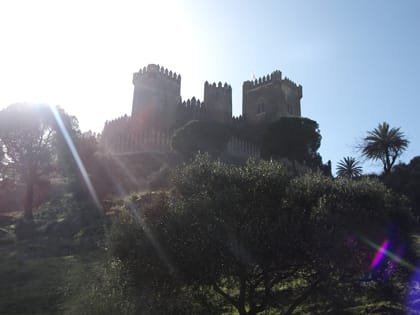
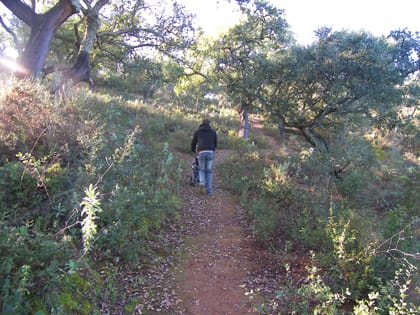
Finally, we drove another 20 kilometres in the same direction to Hornachuelos, where we rounded off the day with a relaxing walk through the biotopes in the local nature park. There are several hiking trails to follow, depending on how much time you have available.
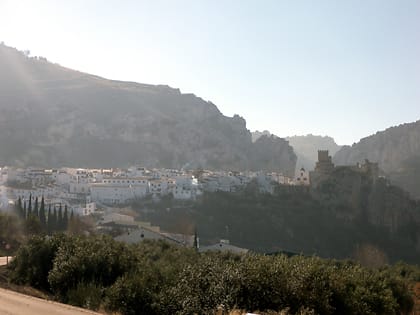
After checking out of the hotel the next day, we made a detour to Zuheros, one of the famous white villages south-east of Cordoba. The drive there was very scenic, the orange trees had been replaced by olive groves. You could only see olive trees for kilometres.
The village of Zuheros itself doesn't have much to offer apart from white houses. However, by Spanish standards it is exceptionally clean and well-kept.