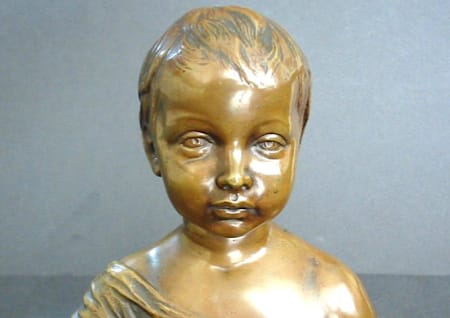
Renaissance sculpture was characterised by ideas rather than fixed rules. Sculpture was about fidelity to reality. There was a particular interest in the human body and realistically depicted anatomy. In contrast to previous eras, in which sculpture was subordinate to architecture, the two were now combined.
Perspective, relief and spatial reproduction were of great importance to Renaissance sculptors, as they enabled scenes to be rendered realistically. The foreground, centre and background were clearly separated from each other and yet merged organically. The equestrian statue, which had played a major role in Roman antiquity, regained popularity, although this time emphasis was placed on dynamic muscle play and individual facial expressions.
A peculiarity of the Renaissance period was the emphasised pursuit of fame and power, which was immortalised in monuments. Sculpture sought to emphasise typical traits of the sitter.

Renaissance sculpture was used in all areas, including carving, minting, goldsmithing and minor arts.