Does social media make us sick: How does negativity on social networks affect our health? People tend to share mainly negative events on social networks. Positive news tends to go down because people react less to it. After all, sharing is about getting the most likes or shares, so people prefer to share provocative, sensationalist or sad stories.

Does social media make you sick
Research shows that constant intake of negative reports and news can have a detrimental effect on our mental and physical health, and even on our interpersonal relationships. Who hasn't had political arguments with friends or family lately, all because of emotionally upsetting and one-sided reports on Facebook or Twitter?
The positive versus negative warning for life can be found in stories about cultures and time along with blockbusters like Star Wars. "Fear is the path to the dark side. Fear leads to anger. Anger leads to hate. Hate leads to suffering, " Yoda warns Anakin.
Fear and anger provokes more reactions
Because fear-mongering and sensationalist stories are more likely to be shared, we see more of them. Often whole days go by when our news feed is fed only with negativity, without us seeing even a single positive news item. This is how our perception of our environment changes, we start to believe that we are surrounded only by fear and terror. The more fear, uncertainty, worry about the future and general negativity we feel, the more the psyche is affected. We live in a constant state of alert, and this not only provides for possible mental losses, but also affects the physical health of the body.
This is how our thinking is manipulated
One of the current debates about the news business is who to trust and who not to trust. Is the news true or is it fake news? What is really behind certain topics? Often there are hidden agendas behind the point of view of a report, people are deliberately manipulated into a certain opinion. They are deliberately influenced to think in a certain way.
This debate touches on a fundamental aspect of human evolution that, as current research shows, separates humans from the animal kingdom. Simply put, humans search for meaning. An essential component of our life satisfaction is the search for meaning.
Likes and shares are important for advertising
News agencies sell a product with their reports. Therefore, they try to get their product in front of other similar products. The best chance for diligent sharing of reports, is to hit a sore spot in their readers. They try to engage the reader emotionally to get them to react. The more a story stirs us up inside, the more likely we are to form an opinion about it and want to push it on our friends and acquaintances on social media. Every human being is programmed to think that his or her opinion is the only correct one. We almost exclusively read reports that move us inwardly and that reflect our opinion. Reports that provoke a contrary opinion are ignored or not even read.
Controversial and provocative for more clicks
It starts with the headline of a news article. Often it's all about clickbait, that is, catching as many clicks as possible. The headline has to be as provocative or sensational as possible. Since many people do not read more than the headline and put a Like under the report because they like the title, the content of the report does not even need to match the headline.
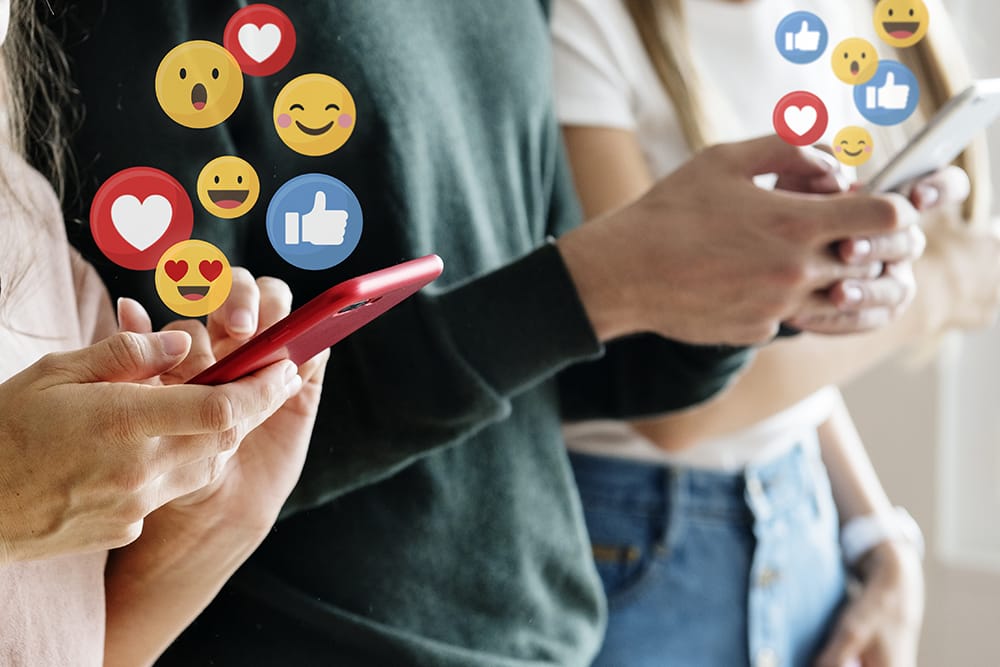
Is social media making you sick? Here's how it affects your health:
You feel inferior in terms of your life or appearance
Even if you know that images on social media are manipulated, they can still make you insecure. You always see yourself surrounded by flawless people and their successes, while you know your own failures and flaws. People tend to share only the high points of their lives, rarely the low points that everyone experiences. But that doesn't diminish the feelings of envy and dissatisfaction when you scroll through a friend's filtered photos of their tropical beach holiday or read about their exciting new career achievements.
Fear of missing out (FOMO)
While FOMO has been around much longer than social media, Facebook and Instagram seem to reinforce the feeling that others are having more fun or living a better life than you. The idea that you are missing out on things can affect your self-esteem, trigger anxiety and lead to even more social media use. FOMO can force you to pick up your phone every few minutes to check for updates or compulsively respond to every single alert, even if that means taking risks while driving, missing sleep or prioritising social media interaction over real-world relationships. This is how social media makes you sick, mentally and physically.
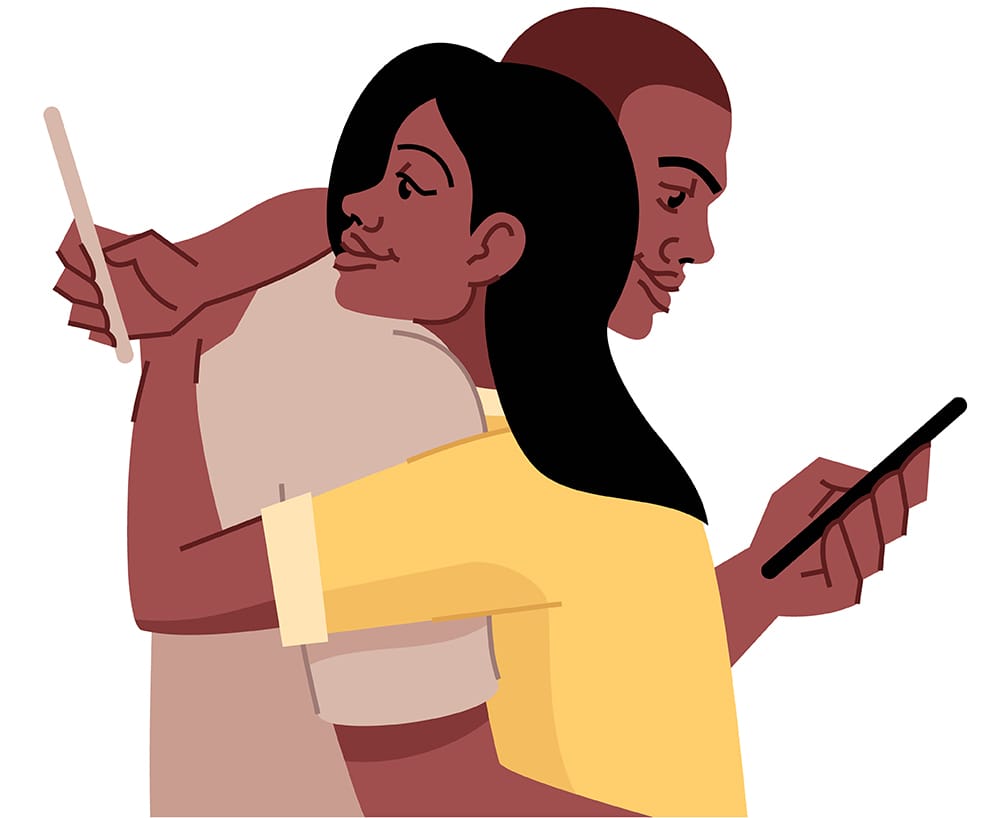
Isolation from the environment
A study at the University of Pennsylvania found that high use of Facebook, Snapchat and Instagram does not increase feelings of loneliness, but the study found that reducing social media use can make people feel less lonely and isolated and improve overall well-being.
Does social media make you sick: depression and anxiety
People need personal contact to be mentally healthy. Nothing reduces stress and lifts your mood faster or more effectively than eye contact with someone who cares about you. The more you prioritise social media interaction over personal relationships, the greater the risk of developing or exacerbating mood disorders such as anxiety and depression.
Cyber-bullying
About 10 per cent of teenagers report being bullied on social media, and many users in general are exposed to abusive comments. Social media platforms like Twitter can be hotspots for spreading hurtful rumours, lies and insults that can leave lasting emotional scars.
Self-absorption and narcissism
Sharing endless selfies and all your innermost thoughts on social media can create an unhealthy egocentricity and further distance you from real connections and genuine feelings. This is how social media makes you sick, because you focus more and more on yourself, but see yourself as your online persona is perceived by others.
Back to neutral news
News should not actually contain an opinion and should not provoke the formation of an opinion. The original purpose of news was to inform people about an event, nothing more. Whereas in the past people used to mock the fact that the newscasters on television or radio seemed emotionally cold because they were only supposed to report on the event in a neutral way, today we have arrived at the opposite extreme. Neutral reports do not provoke a reaction, are neither liked nor shared and are usually not even read.
What to look out for when using a social network
Does Social Media Make You Sick - The Dangers of Facebook and Co.