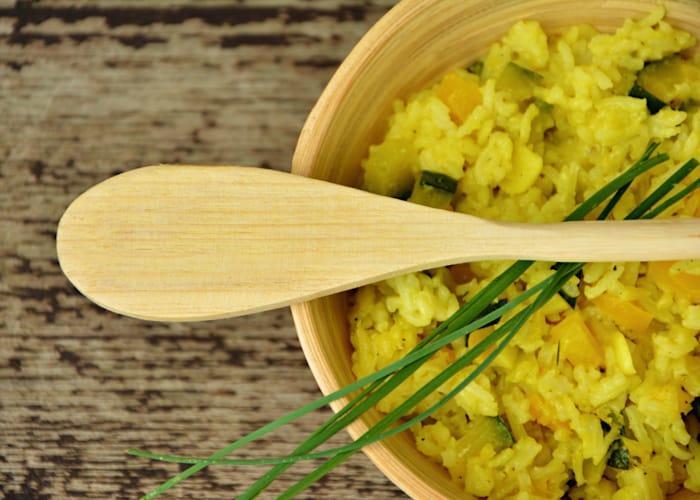
Cooking spoons made of wood may date back to grandmother's times, but they still prove to be a popular utensil for cooking and baking. Many even swear that wooden spoons are better than utensils made of metal or plastic. In order for the wooden spoon to last especially long and also look beautiful, you have to treat it properly.

What wooden spoons are best for
A wooden cooking spoon is very useful when dealing with non-stick coated cooking pots and pans, because it is soft enough not to damage the delicate surface.
Also, because it is made of wood, it does not transfer the heat of the food from the pot into the handle, so you can comfortably touch it without burning your fingers.
Are wooden spoons hygienic?
A common concern is that bacteria will settle between the wood fibres and not come out completely when cleaning. After all, you can see that they sometimes discolour unsightly over time. However, wood is naturally antibacterial. As long as no deep crevices form in which bacteria can settle permanently, no germs that are hazardous to health will form on the spoon.
What is the best way to clean wooden spoons
Wooden spoons only need to be washed in warm dishwater and then rinsed with clear water. Wooden utensils should not be left in the rinsing water for a long time, but should be scrubbed down directly and taken out again. They can also be washed in the dishwasher, but the high heat causes them to break more quickly and the wood can split.
Occasionally, an additional thorough deep cleaning is also recommended. To do this, soak the wooden spoon in vinegar water (1:1) for about 5 minutes and then rinse it with clear water.
Basically, you have to make sure that the wooden spoon is air-dried after each cleaning and is completely dry before putting it in the drawer.
Do you have to care for wooden spoons?
It is not absolutely necessary to oil wooden spoons regularly, but good care keeps the wood supple and the spoon stays beautiful for longer. If the wood starts to look a little dry, you only need to rub the spoon with a little cooking oil. If you rub the dry spoon with oil, you should then put it in the oven for a few minutes so that the oil can be better absorbed. However, it is easier to oil the spoon directly after rinsing it when it is still damp, then the wood absorbs the oil immediately.
When should you throw away wooden cooking spoons?
When deep crevices form in the wood where food residues can settle and bacteria can grow, it is time to part with the wooden spoon.
Is it possible to remove ugly stains from the wood?
Paint stains can often be removed by soaking the spoon in vinegar and then rubbing it with fine sandpaper.
When the wooden spoon smells bad
Odours can stick permanently to the wood. So if the spoon starts to smell unpleasant, stir a paste of baking soda and water, rub it on the wood and rinse it off again after 45 minutes.
Baking soda is a natural odour inhibitor.