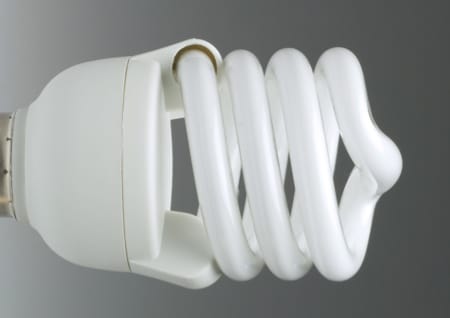
Fluorescent lamps save energy and reduce pollution. However, each energy-saving lamp contains about 5 milligrams of mercury. Although the mercury content is low, it can still contaminate several thousand litres of drinking water. As long as the mercury is in the fluorescent lamps, it poses no danger, but the energy-saving lamps are not disposed of properly.ß disposed of, they can be dangerous.

If an energy-saving lamp breaks, mercury can leak out and cause health problems in people who come into contact with it. Contact with small amounts of mercury, such as in an energy-saving lamp, can cause twitching, irritability, insomnia, muscle weakness and headaches. Increased amounts of mercury or prolonged contact can cause personality changes, deafness, memory loss, chromosome damage, nerve, brain and kidney damage. The central nervous system is particularly at risk in unborn babies and young children.
When fluorescent lamps are thrown into household waste, some of them inevitably break and mercury is released. The mercury gets into the air, water and soil, contaminating the food we eat and our drinking water. Mercury ingested by farm animals is also dangerous and can lead to fertility failure, organ damage and DNA changes in the animal.
To avoid the danger posed by mercury-containing fluorescent lamps, it is important to dispose of them properly as hazardous waste. If an energy-saving lamp breaks, open the window and leave the room for 15 minutes. Switch off the heating and air conditioning. Do not use a hoover or broom for cleaning, as this releases mercury particles into the air. Instead, use household gloves to pick up the coarse pieces of glass and place them in a screw-top jar or sealable plastic bag. Place a damp cloth over the spilled powder and pick up all the particles with it. Put the rag and gloves in the container with the remains of the lamp and close tightly. For disposal of the contents, contact the hazardous waste disposal site.