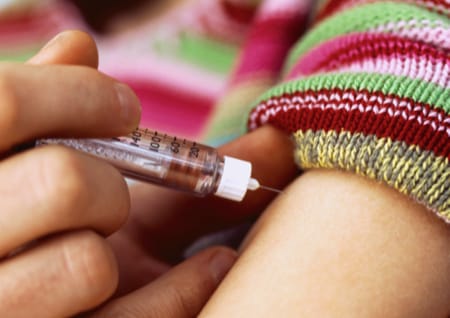
Vaccinations are designed to protect against serious and dangerous diseases. Children are usually vaccinated against polio, tetanus, meningitis and hepatitis, among others. For many parents, vaccinating their children is a big part of caring for them.

Vaccinations consist of protective substances (vaccines) made from weakened or killed bacteria or viruses of a specific disease. When these modified bacteria or viruses are injected or ingested, the body's immune system registers an attack on the body and stimulates the production of antibodies. Antibodies, once produced by the body, remain and become active as soon as the "right" pathogens enter the body. The body's reaction to the injected pathogens causes temporary fatigue and sometimes increased body temperature a few days after vaccination, because the body is running at full speed to produce the antibodies.