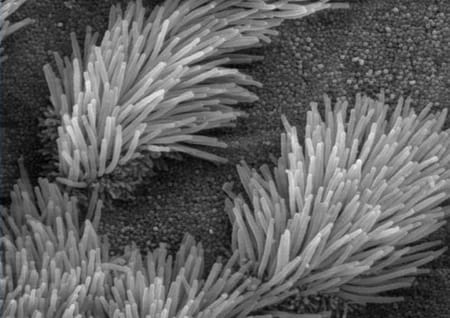
Smoking causes long-term lung damage. The lungs are particularly damaged at the cilia, the tiny, hair-like protrusions in the lung lobes. The cilia serve to protect the lungs from viruses and foreign bodies. The picture above shows the cilia of a healthy lung.

Smoking destroys the cilia and the lungs can no longer protect themselves. The cilia also promote the loosening of mucus by the lungs. With destroyed cilia, many smokers develop a chronic cough.
If you quit smoking and are still healthy, your lungs can heal themselves from most of the damage. Within 72 hours of complete withdrawal, the lungs begin to recover and you can breathe easier again.
Between 2 weeks and 9 months after cigarette withdrawal, blood flow improves and lung function is increased by 30%. Lung function will steadily improve over the 9 months as the cilia begin to grow back. After that, the smoker's cough and shortness of breath should have largely disappeared.
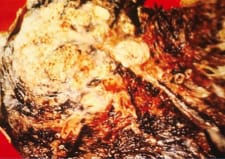
After one year without smoking, the risk of coronary heart disease is reduced by half. After about 5 years, the risk of stroke is reduced to that of a non-smoker. After 10 years, the risk of lung cancer is reduced by 50% as well as other cancers such as cancer of the larynx, mouth or trachea. The picture below shows the scan of a cancerous lung.
During the recovery phase, there are a number of things you can do to help your lungs heal. Above all, you should eat a balanced diet, get plenty of exercise and get enough sleep. To thin the mucus in the lungs, drink at least one litre of water a day. Steam baths also help to clear the lungs.