There are more dangers in your own garden or in nature than you might think. Harmless-looking flowers can be life-threatening, especially for children. What are the most common poisonous plants in Germany?

Many plants contain toxins to protect them from pests such as snails, aphids or birds. Often only a few milligrams of these substances are life-threatening. Not all parts of a plant are equally poisonous; depending on the species, the poison is found in the leaves or flowers. Children are particularly at risk because they put a lot of things in their mouths.
The most common poisonous plants
Wolfsbane
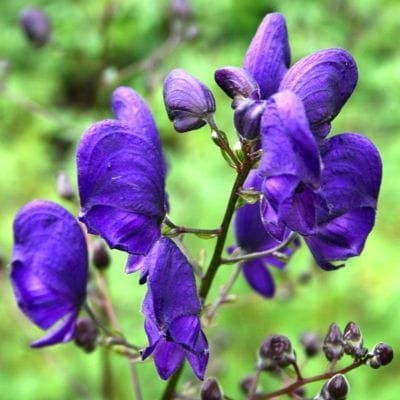
Monkshood is one of the most poisonous plants in Europe. It grows in forests, along streams, on damp wild meadows and often in ornamental gardens. There are yellow and blue aconites. Even skin contact when picking the plant can lead to symptoms of poisoning. In addition to skin reactions, respiratory paralysis and cardiac arrhythmia can occur. Just a few milligrams are fatal for humans.
Foxglove
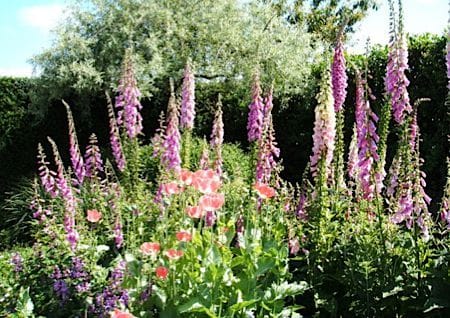
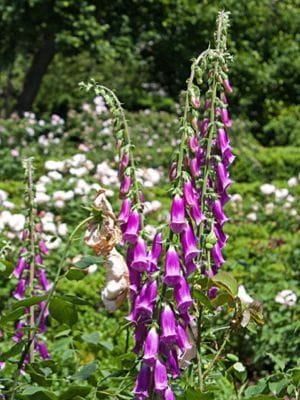
Foxglove can also be found in almost every wild meadow. All parts of the foxglove are poisonous. Swallowing parts of the plant can cause nausea in harmless cases and cardiac arrhythmia in severe cases.
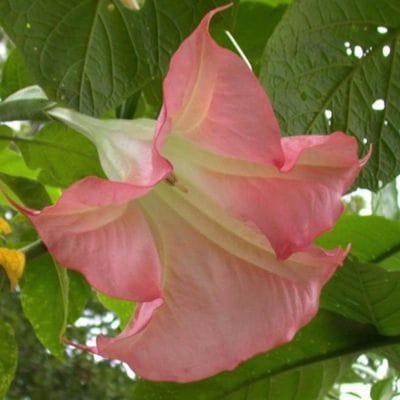
Angel's trumpet
The flowers, leaves and stems of this popular ornamental plant are also poisonous. Symptoms of poisoning from angel's trumpet range from vomiting to heart problems.
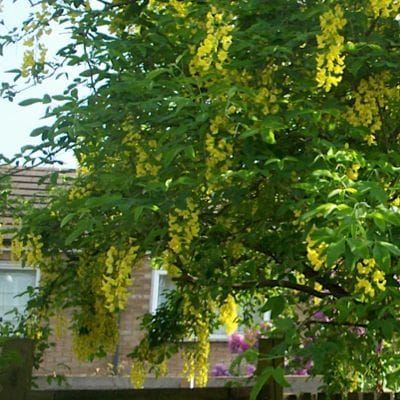
Laburnum
Laburnum is often found in ornamental gardens and parks. All parts of the plant contain poison. Laburnum is particularly dangerous for children because they often pick up the pods and the seeds they contain have a particularly high concentration of poison.
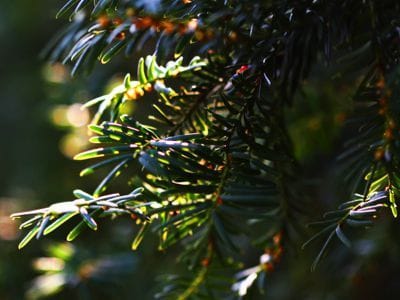
Yew tree
The flesh of the berries is harmless. The needles and seeds are poisonous. Birds eat the yew berries and excrete the seeds with the poison undigested. As the berries taste unpleasantly bitter to humans, poisoning by yew is rather rare.
Other plants that, like the angel's trumpet, contain poisonous alkaloids are belladonna, autumn crocus and poke apple. The alkaloids have an effect on the central nervous system.
Foxglove, lily of the valley and oleander contain poisonous glycosides. These are used in small doses in homeopathic medicine.
Prevention and first aid for poisoning by poisonous plants
It is important to recognise the most common poisonous plants and to check for poisonous plants in a garden where children play unsupervised. If you know of the existence of certain plants where children are playing, they should never be left unsupervised. It also makes sense in an emergency to give the doctor information about the plants present.
You should remove poisonous plants from your own garden if children live in the house or visit frequently.
Hands should always be washed after touching plants.
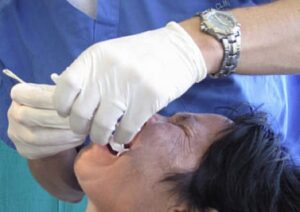
If poisoning does occur, it is important to keep a cool head. It is essential to first examine the child's mouth and, if necessary, remove all parts of the plant. Take the plant remains to the doctor.
If possible, drink a glass of water immediately, as this soothes the irritation and dilutes the poison. However, you should not drink more than one glass.
In case of severe symptoms of poisoning, call an emergency doctor or the poison control centre.
Cover photo: Peter Barr