Stress has always existed, because stress is a bodily function that was designed by nature to enable us to prove ourselves in dangerous situations. For example, the occurrence of stress in prehistoric times meant that the body was able to react much more quickly than in a resting state by increasing blood pressure and heart rate and improving blood flow to the muscles. Prehistoric man was therefore able to flee quickly from danger or fight, depending on what the situation demanded.
Instead of thinking, action should be taken, because only quick reactions and not long reflection could ensure survival in prehistoric times.

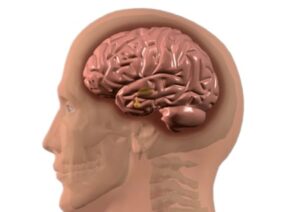
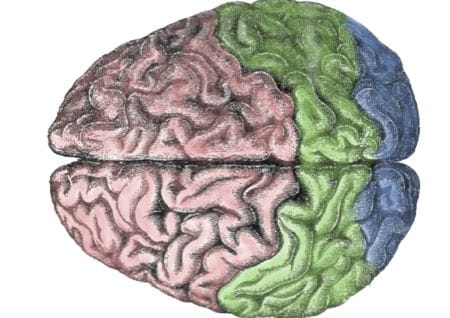
For this purpose, the brain is provided with impulses that are transported via the nerve tracts. The impulses, which are recognised as stressors, prevent the brain from thinking, and the release of adrenaline also reduces other bodily functions in order to be able to concentrate fully on the task of fleeing or fighting and to keep all energy reserves ready for this.
In today's world, however, it is no longer predators and other dangers that are the real enemies, but stress itself. What happens in our bodies when stress arises is still the same as it was millions of years ago. Today, however, we no longer use the consequences of stress for the purposes for which they were created.
Instead, however, the stress triggers have increased, but instead of fighting, for most people thinking and brain functions are more important. Instead of shouting at or even attacking their boss, they need to improve their performance by concentrating on their work. However, this is exactly what stress boycotts and so more stress is created.
A hectic pace and constant excessive demands also have these effects on our bodies. In the long term, stress makes us ill because it weakens the immune system, can trigger depression and, in the worst case, can even lead to burn-out syndrome, in which case nothing works at all. This is no longer news, but most people still find it difficult to make their lives less stressful.
Even small changes can often help, such as an improved schedule, making fewer promises that you won't be able to keep from the outset, or planning adequate time for breaks and rest periods.
The consumption of stimulants such as tea and coffee in large quantities will also not increase performance in the long term, but rather lead to new problems that become noticeable in the form of sleep disorders or high blood pressure.
Stress factors first need to be recognised and then considered in isolation in order to be able to change them. Paradoxically, many people are trapped in their ingrained habits and do not realise that they are voluntarily creating stress factors that are not necessary.
So if you really want to change something, instead of complaining that others are causing you stress, you should take a close look at your own behaviour.