During pregnancy, the need for iron increases by 100 per cent. If you bear this in mind, it is easy to see that an adequate supply through food is possible, but not very easy.
It is difficult to achieve sufficient coverage with iron through food on one's own, because its composition in food and the body's ability to absorb it depend on various factors and not only on the type of vegetable chosen, etc. In order to keep control of it oneself, it requires sound knowledge, which a layperson usually does not possess.
It is therefore advisable to supplement with suitable preparations that the doctor can prescribe.

If possible, iron should not be taken before or after consuming dairy products, black tea and coffee, as these inhibit absorption into the blood. At least two hours should therefore have elapsed.
If you also take a magnesium supplement, the interval between this and the iron should be at least four hours, as these two also inhibit each other.
Freshly squeezed orange juice is helpful for absorption, but the preparation can also be taken on its own.
What is the iron important for?
The trace element iron is one of the most important building blocks in the formation of blood. The baby in the womb is supplied with blood from the mother via the placenta, which transports the important nutrients to it, above all oxygen.
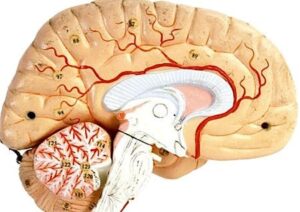
The baby itself needs iron to develop its brain and will draw iron from the mother's blood.
According to studies, many women already have low iron reserves before pregnancy, which is why it is particularly important to start taking additional iron at a very early stage, from the 13th week at the latest.
The need for iron increases in the second trimester of pregnancy and is particularly high in the last trimester, because the child is getting bigger and needs more and more blood itself.