Sleep is a biological necessity for the body to regenerate and maintain health. We spend around a third of our lives on vital sleep, and the majority of people need around 7-8 hours of sleep per day to feel sufficiently rested. Those who consistently sleep too little can suffer from serious sleep deprivation, which can affect physical and mental health.

The mental signs of sleep deprivation are characterised by irritability, stress and outbursts of anger. You get upset about banalities that would not upset you under normal circumstances. Sleep deprivation reduces the ability to concentrate, which can lead to reduced performance in everyday life. Extreme sleep deprivation can lead to confusion, speech disorders and memory lapses.
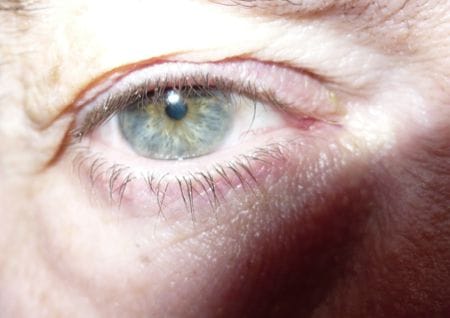
The physical signs of sleep deprivation can be very unpleasant. In addition to permanent tiredness and fatigue, many suffer from headaches, dizziness and nausea. Appetite can either be increased or decreased. Due to the body's lack of regeneration time, dark circles appear under the eyes and the face looks haggard.
Long-term sleep deprivation can lead to serious illnesses. The risk of developing diseases such as cancer, diabetes and obesity is drastically increased. To give the body back the sleep it needs, you should lie down for 20 to 90 minutes at midday in addition to sleeping at night until the signs of sleep deprivation have disappeared. Medication with a sedative effect should be avoided, including antihistamines. Alcohol should also be avoided. During the waking hours, you should eat small meals rich in carbohydrates to energise the body. Too much protein-containing food should be avoided, as the body uses too much energy when breaking down the protein.