Medicinal herbs and acupuncture can actually help with diabetes. Naturopathy has various ways of combating diabetes and making life with diabetes easier.

A fixed eating schedule, balanced and calculated meals, exercise and as little stress as possible are the daily routine of a diabetic. Nature offers a few more ways to help the diabetic lead a largely "normal" life.
Some of the most promising treatment alternatives for high blood sugar can be found in the natural pharmacy. Plants and herbs have long been an important part of the conventional medical treatment of diabetes.
Bitter melonBitter melon is a staple food in Chinese and Indian cuisine. It is cultivated in the tropical zones of Asia, Africa and South America and is used as a contraceptive and as a treatment for psoriasis, among other things. However, bitter melon is mainly known for its blood sugar-lowering properties. The flesh and seeds of the bitter melon contain substances that influence glucose and insulin.
Bitter melon works in several ways: it increases insulin production, improves the cells' ability to absorb glucose and prevents the release of glucose in the liver. In one study, 100 participants with type 2 diabetes drank liquefied bitter melon pulp. Just a few hours later, a significant reduction in blood sugar levels was observed in the participants.
Health food shops or Asian grocery shops offer bitter melon in various forms, as a powder, extract, juice and raw vegetable. According to naturopathic doctors, the daily intake of bitter melon is 50ml of juice, but if you don't like the bitter flavour, you can also take it in capsule form. It is important that the product is made from the pulp or seeds, not the leaves.
As previously mentioned, bitter melon is used as a contraceptive, so you should not consume it if you are pregnant or want to become pregnant. Similarly, all bitter melon products should be kept out of the reach of children, as the juice can cause poisoning in children.
GymnemaIn India and Africa, where Gymnema sylvestre grows in the tropical forests, the plant has been used for centuries to treat diabetes. In fact, the Hindi name for Gymnema is "gurmar" and means "sugar destroyer".
Naturopaths consider Gymnema to be the best herbal remedy for lowering blood sugar levels. In several studies with type 1 and type 2 diabetes patients, it was found that overall blood sugar levels were significantly reduced. In some cases, patients were even able to stop taking their medication completely.
As you can expect results from taking Gymnema, it is important to discuss this with your diabetes doctor so that they can factor it into your treatment plan. There is little official information on Gymnema as a medicine, and although there are no adverse reports of side effects, Gymnema should not be taken during pregnancy and breastfeeding due to the lack of studies. The usual doses are 400 to 600mg per day. If Gymnema is taken in conjunction with diabetes medication, blood glucose levels must be monitored to ensure they do not drop too low.
FenugreekIn Mediterranean countries and the Middle East, fenugreek is known as a flavour enhancer, but that's not all the plant has to offer. Early Greek and Latin medicine mention fenugreek as a treatment for high blood sugar. In a study of 60 type 2 diabetes patients who took 25g of fenugreek daily in two equal doses with lunch and dinner over a period of 6 months, a reduction in blood glucose levels of 20% was observed.
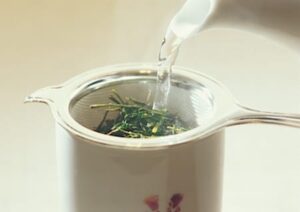
Fenugreek is available as a powder to flavour food, but can also be taken in the form of tea.
AcupunctureConventional medicine does not recognise acupuncture as a blood sugar-lowering treatment. Naturopathic doctors and experts in traditional Chinese healing methods swear by its effectiveness. According to Chinese philosophy, diseases are caused by an imbalance of vital energy, which flows through the body along invisible pathways called meridians. Acupuncture is intended to restore the balance of life energy by inserting needles at specific points in the meridian system. The injection points are different for each illness.
The effect of acupuncture on diabetes has not been proven. However, studies of Chinese therapy show that acupuncture treatment has reduced blood sugar levels in diabetics by up to 50%.
Anyone inclined to try acupuncture for diabetes should tell their doctor if they suffer from neuropathy or poor circulation.