Algae contain a variety of minerals, including special antibiotic and antiviral nutrients that humans need and that land plants do not possess. These include laminarin, fucoidan and alginate compounds. As a marine plant, algae are naturally rich in iodine and iron. Those who have little experience of Asian cuisine, in which algae are widely used, are often unsure how to actually cook them.

Generally, seaweed is used for sushi or in soups. For use in sushi, seaweed is available in pressed form, like a sheet of paper. This is already prepared and only needs to be wrapped around the cooked rice, fish and vegetables and cut into small pieces.
For use in soups, add the dried seaweed to the already cooked soup and leave to soak for a few minutes. Algae should not be cooked with the soup, as boiling water destroys many of the nutrients it contains.
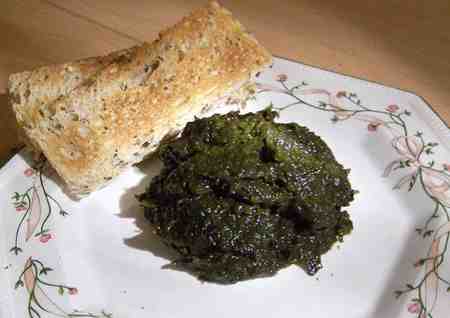
Algae can also be used as a seasoning in salads or in home-baked bread. This is particularly recommended for people who are not so fond of the algae's own flavour, as the taste is less prominent when baked into bread or sprinkled over salads.
Recipe suggestion for seaweed soup
half a litre of water
a cube of vegetable stock
250g diced tofu
Salt Pepper
4 spring onions
half a teaspoon of sesame oil
3 sheets of seaweed
Brown the tofu in a large pan with the sesame oil. Pour in the water and bring to the boil.
Stir in the stock cube until it is completely dissolved. Chop the onions and add to the soup, simmer for about 5 minutes over a medium heat.
Remove from the heat and add the chopped seaweed. Season with salt and pepper to taste.