
Teas are made from natural ingredients and have a lot of positive influence on the organism. Many minor and major health problems can be alleviated by tea, or many diseases can be prevented by various teas. Which tea has which health benefits?


Black tea
Black tea contains tannic acids as well as strong antibacterial and anti-inflammatory properties. Black tea soothes the stomach and intestines, helping with diarrhoea and flatulence by helping the body absorb fluids.
The tein contained in black tea helps with acute circulatory problems.
The moist, used and of course cooled tea bags reduce swelling in open wounds, bee and wasp stings and other insect bites, toothache and inflamed eyes.
Tea bags with black tea have proven to be good for nettle irritations.
In addition, black tea contains alkalines that neutralise acids and have an analgesic effect on mouth ulcers and cold sores.
A tip for body hygiene: a foot bath in black tea kills odour-causing bacteria and shrinks the pores, thus reducing sweating and body odour.
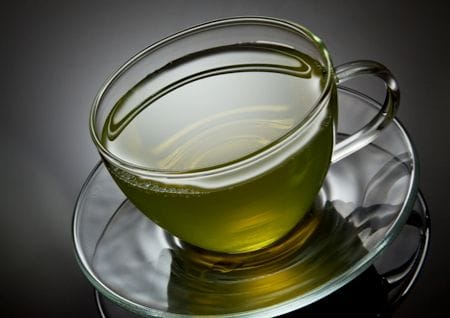
Green tea
The polyphenols contained in green tea can slow or even prevent the growth of cancer cells. Green tea is known to reduce the risk of heart disease when drunk regularly, as well as prevent mental decline. The bacteria-killing properties reduce tooth decay.
Green tea also works well as a toner to reduce pimples and acne.
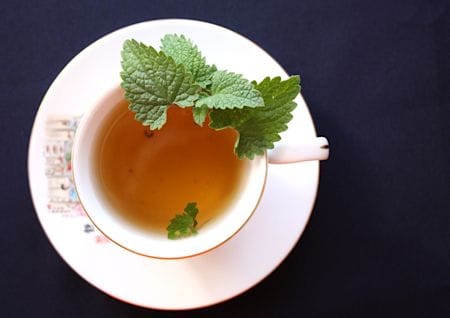
Peppermint tea
Peppermint tea is known for its digestive stimulating and soothing effect on the stomach and intestines. Therefore, peppermint tea is good for constipation, nausea and vomiting. Those who suffer from indigestion should drink a cup of peppermint tea before each meal. This calms the stomach muscles and the food is digested more quickly.
Peppermint tea has also been proven to relieve sore throats and sinusitis.
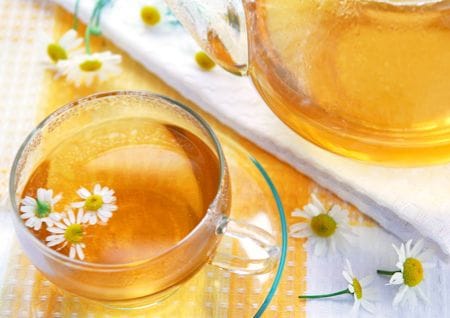
Chamomile tea
Chamomile tea reduces stress and nervousness and is thus also good for sleep disorders. Chamomile tea is also good for stomach problems, menstrual cramps, diarrhoea, morning sickness and general nausea.
Chamomile inhibits the proliferation of bacteria in the stomach and thus slows down the formation of stomach ulcers. You can add a little honey to the camomile tea for a better taste, because honey also helps against stomach ulcers-.
Strongly brewed chamomile tea has an anti-inflammatory effect on arthritis and rheumatism, acne and other inflammatory skin pustules as well as skin irritations. As a mouthwash, chamomile tea reduces gum swelling and gingivitis.

Lemon tea
Allergy sufferers have had good experiences drinking a cup of hot tea for acute symptoms. Lemon tea stimulates the hairs in the nose and thus reduces coughing and sneezing. Adding a little aniseed, sage or fennel increases the effect.
Hot lemon tea is also good for colds.
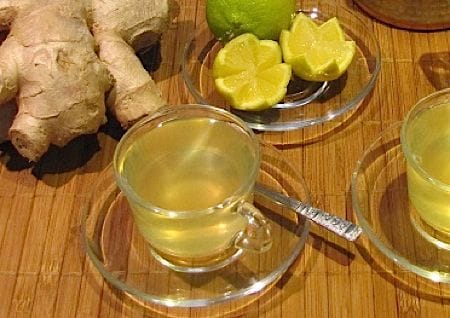
Ginger tea
Ginger has been used for thousands of years to treat digestive problems. Ginger relieves intestinal spasms and neutralises digestive acids. Ginger also contains chemical compounds that affect the central nervous system, preventing dizziness and nausea, especially in cases of motion sickness.
Ginger also targets the formation of stomach ulcers. Many people swear by ginger tea for menstrual cramps, morning sickness and hangovers.
Its anti-inflammatory properties make ginger effective against colds, flu and inflammatory pain. Ginger stimulates perspiration and thus reduces fever. Ginger is even said to be good against severe migraine headaches.
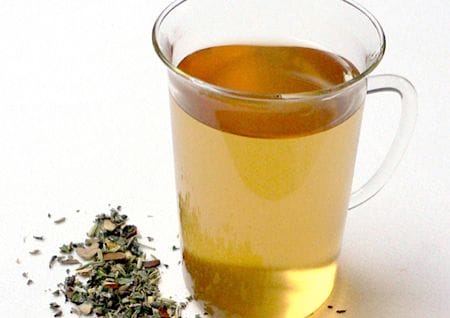
Black pepper tea
This unusual remedy comes from China and works well against coughs. Black pepper stimulates blood circulation and the flow of bodily fluids. This is how black pepper tea is made: One teaspoon of freshly ground black pepper and two tablespoons of honey are placed in a cup and filled with boiling water. Cover and let the tea steep for 15 minutes and then pour it off. Take in small sips as needed.
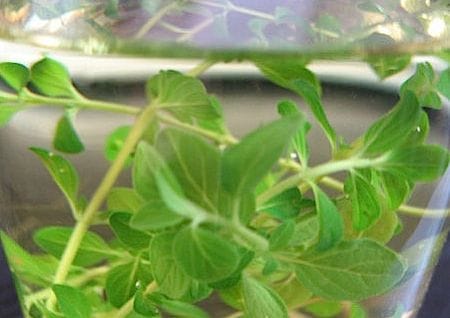
Thyme tea
Thyme is a strong antiseptic and reduces inflammation and pain in arthritis, rheumatism and gout. A mixture of thyme and peppermint is good for sinusitis, inhale the steam of the tea well.
Painful feet can be bathed in thyme for 20 minutes to refresh the feet again.
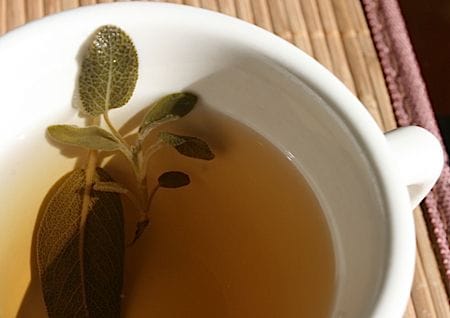
Sage tea
Sage is known as a remedy for sore throats, but sage contains many properties that fight bacteria, viruses and fungi.
Sage tea also works well against hot flushes during menopause.

Orange tea
Orange tea is brewed by finely chopping pesticide-free orange peels and boiling them for a few minutes. The decoction can be drunk sweetened with honey. This way, orange tea not only tastes delicious, but also helps against diarrhoea.
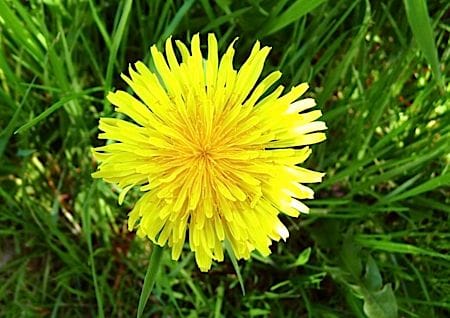
Dandelion tea
Dandelion has a hard-running effect and is good for the kidneys. Therefore, it is advisable to drink dandelion before or after a large meal. In kidney diseases, dandelion reduces water retention and even supports the expulsion of kidney stones.
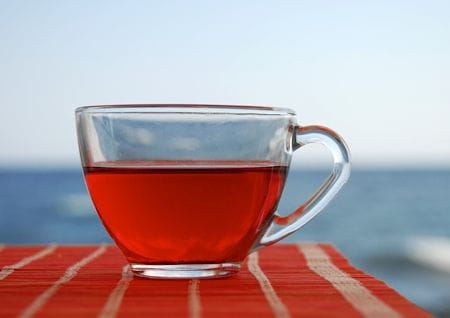
Rooibos tea
Rooibos or redbush tea comes from Africa and has a lot to offer. It is often drunk as a caffeine-free alternative to black tea. It contains strong antioxidants and thus fights free radicals. Rooibos stimulates the circulation, relieves stomach complaints and supports the absorption of iron. It promotes sleep and reduces the risk of Alzheimer's or Parkinson's disease.