Wine is an important part of the meal for most family gatherings. Finding the right wine is not an easy thing for beginners. To make the choice of wine easier, here are some tips.

Aperitif or main meal
Basically, different wines are drunk depending on whether they are served as an aperitif, with the main meal or just for socialising. A sweet wine is chosen as an aperitif, while a stronger wine is drunk with the main meal.
Red wine or white wine
Red wine tastes better with beef, cheese and tomato gravy. White wine goes well with fish dishes, poultry or desserts as well as mushroom sauces and creamy sauces.
Description of the wine
German wines that can be relied upon to be of a certain quality are labelled quality wine or Prädikat wine.
Year of cultivation of the wine
The year of the wine indicates when the grapes were harvested and the meteorological conditions in that year. If the wine comes from climatically stable regions, the wine hardly varies in flavour. For the average wine drinker, a wine from the previous year is sufficient.
Harmony between wine and food
The intensity of the wine and the food should be roughly equal so that neither dominates. A light dish requires a light wine, while spicy dishes need stronger wines.
The flavour of the wine should match the food as closely as possible. Sweet wine with a sweet dish, savoury wine with a savoury dish. Extremely savoury dishes can often make a savoury wine seem sweeter than it is, so in this case it is better to choose a particularly strong wine.
Some foods change the flavour, such as garlic, bitter vegetables like cucumber or endive, or vinegar.
You should avoid:
Beef with white or sweet wine.
Fish, raw vegetables and goat's cheese with very dry red wine, as it leaves a dry flavour on the tongue.
Dessert and hard cheese with rosé. These dishes dominate mild rosé wines too much.
The right wine glass
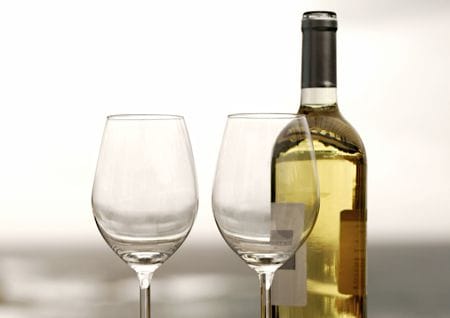
Red wine is served in round, balloon-shaped wine glasses, while white wine is served in narrower, tulip-shaped glasses. The wine glass should always be held by the stem so that the wine is not warmed by the hand.