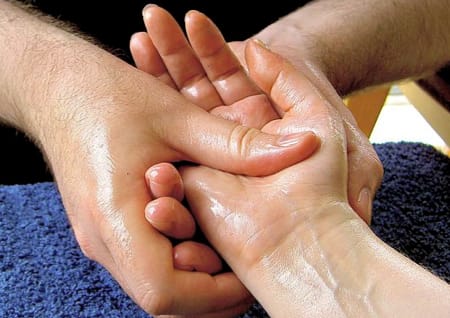
The hands have thin skin, which is why they suffer more than any other part of the body during the cold winter months. The colder the air gets, the more the skin on the hands dries out. In addition, frequent changes between cold air and hot, dry heating air, as well as the usual housework, make the skin on the hands look brittle and dry. Freezing hands or fingers can quickly make the skin sore and flaky. By taking proper care of the skin on your hands in winter, you can avoid the worst effects of the cold.

Protection against dehydration. Even normal hand washing puts more strain on the skin in winter than in summer. In winter, many people tend to wash their hands even more frequently to minimise the risk of catching a cold. However, washing hands reduces the natural protective film in the skin that protects the hands from drying out. Keep hand washing to a minimum in winter and avoid contact with soap and hot water. This preserves the natural moisture in the hands. After washing your hands, moisturise them with a hand cream.
Hand sanitisers containing alcohol have a particularly drying effect.
Rubber gloves coated with cotton help protect hands from contact with cleaning agents and washing-up liquids when doing housework. Before you go out into the cold of winter, your hands should be protected from the temperatures. The best way to do this is with properly lined gloves.
Ingredients of hand care products. Hand creams, soaps and similar care products should contain certain ingredients to adequately protect the skin. Dimethicone and glycerine help to absorb and retain moisture in the skin. Lactic acid has a soothing effect on dry skin. Lanolin and mineral oil trap water in the skin cells. Calendula has healing properties and is therefore a good additive for hand cream for dry skin. Buckthorn oil is also a natural additive that supports skin regeneration.
Moisturising care. Moisturising is the most important thing for well-groomed hands, especially in winter. In addition to skin care creams, moisturising includes regulated air humidification in rooms and sufficient hydration. When the sun is shining brightly in winter, you should protect your hands with sun cream, as the sun's rays can cause additional dehydration.
Exercise. Physical exercise is also good for the skin on the hands, as it stimulates blood circulation and maintains a warmer body temperature. By stimulating the metabolism, the cells are kept active and moisturised. Light massage of the palms also stimulates blood circulation in the hands.
Protect fingernails from drying out. Strong fingernails protect the fingertips from minor injuries, especially in winter. Nails should not become too long and should be moisturised daily with oils.
If your hands are extremely dry, you should consult a dermatologist who can prescribe special creams to relieve the dryness and the resulting itching.