Many families have smaller pets, such as hamsters, rabbits and the like, which are desired and kept by the smallest family members.
This tendency, which has almost become a tradition, is hardly questioned any more, as it is assumed that the animals are doing well if they are given a place to sleep, food and a minimum of cleanliness and attention. Children learn how to handle and care for an animal, which is sufficient justification for certain things we expect pets to do.

In itself, this may be a good reason to get a pet, but a lack of knowledge or simply ignoring the habits of these animals often means that their lives are not quite as happy as they could or should be.
The keeping of these small animals is therefore often not really animal-friendly. Species-appropriate husbandry is automatically attributed to larger animals or zoo animals, but not always to the smallest of them.
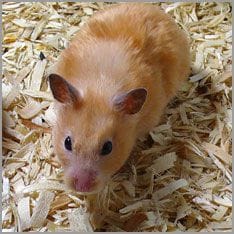
Hamster
There is nothing wrong with keeping a hamster in a cage if you pay attention to a few other aspects. Some should furnish the cage with some attractive play and gnawing opportunities and a sleeping house, and most animals also like a running wheel. Free running must also be offered to such a small animal.
Hamsters are nocturnal animals, so they are not necessarily suited to being housed in a child's room, as they will be busy moving around in their cages at night.
During the day, on the other hand, they must be left alone, otherwise these pets can become aggressive and tend to bite, which is not surprising, as humans would not put up with someone constantly coming and pulling them out of bed in the middle of the night.
A hamster, regardless of species, is a rather delicate creature, even if it may appear chubby and plump. Children's hands are sometimes unintentionally far too rough on these animals and can easily injure or even kill them.
Guinea pig
Guinea pigs do not like to live alone, as they do not become so attached to humans that they could be a substitute for their conspecifics.
They should therefore be kept at least in pairs, which makes a fairly large cage sensible. They should also be allowed to run outside, preferably every day. In the garden, it is a good idea to set up a small outdoor enclosure for them so that they cannot escape, but can enjoy enough free space. They also need plenty of opportunities to gnaw.
The problem with letting rodents run free in the home is that they will almost inevitably nibble on things that they shouldn't nibble on or that are dangerous, such as cables. If rodents are denied exercise, they are missing something, because no animal is happy in its cage in the long term. Depression and aggressive behaviour are often the result, even in an otherwise peaceful animal like a guinea pig.
Rabbit
Rabbits, which are usually a few sizes larger than hamsters and guinea pigs, also need a correspondingly larger enclosure. Their urge to move around and their clan behaviour calls for exercise. They generally prefer their fellow rabbits to humans as playmates and are simply out of place in a flat, alone in a cramped cage.
The image of a hutch rabbit that hardly moves and squats in its box, munching away, is simply wrong, as you will realise at the latest when you watch field rabbits "in the wild" for a while. They are active and are constantly looking for something to chew and munch on while playing with their mates, because they eat almost constantly.
Almost as often as they eat, these pets also shed small faeces and make little streams. Some people soon change their image of the cute little munchkin into a much more realistic one once they have taken such an animal into their home and learnt to appreciate the productivity of their excretory organs.
With all of these animals, it should also be borne in mind that they like to nibble on fresh fruit or vegetables as well as ready-made food and that the cleanliness of the hutch and enclosure should be a top priority. Rotting vegetables magically attract vermin and the odour load is also likely to be increased considerably.
Admittedly, the purpose of this article is to hopefully have replaced the romanticised view of pet ownership with a more realistic one, because the dignity of many of these animals is still too easily violated today because we simply do not want to admit that we offer them very little in the way of a species-appropriate life.