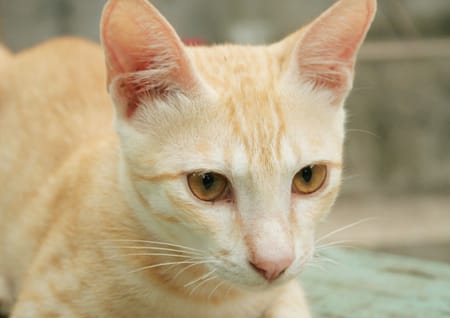
Bark lichen or bald lichen (dermatophytosis) is a fungal infection on the skin. It manifests itself as circular bald patches in the coat. The disease is very unpleasant for the cat and affects the skin, coat and claws.

There are over 40 different types of fungi that can cause bark lichen in cats. Cats become infected through contact with other infected cats, through spores in the soil or contaminated fur brushes. Especially cats with a weak immune system, wounds on the skin, long fur or young cats under one year of age are easily infected with bark lichen.
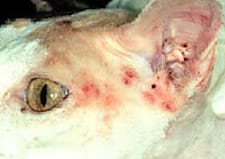
Bark lichen in cats
Bark lichen in cats is characterised by ringworm, eczema, itching, dandruff and skin inflammation. The face, head, ears and paws are usually affected. Other diseases such as dermatitis or feline acne show similar symptoms, which is why the vet must diagnose the disease through tests.
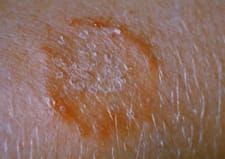
Bark lichen in humans
If bark lichen is not treated, it can disappear on its own after a few weeks in a healthy cat. In some cats, however, it spreads further and weakens the immune system, making the cat more susceptible to other diseases. A persistent case of bark lichen can be treated with antifungal shampoo, ointment and oral medication such as itraconazole or ketaconazole. Depending on the severity of the disease, treatment may take several months.
Bark lichen is contagious for cats, humans and other pets. If the disease remains untreated, the risk of infection increases significantly. A sick cat should be handled with gloves or you should wash your hands thoroughly afterwards. Blankets and baskets on which the cat lies should be boiled. All washable objects with which the cat comes into contact should be washed and disinfected. Anything that cannot be washed must be disposed of.