What is toxic for cats? Cats are known to be picky about what they eat. Therefore, many believe that cats instinctively know which foods are good for them and which are not. However, the fact that a cat will not usually touch spoiled meat does not mean that it will reject anything that is not good for its body. These foods, which are tolerable for humans, can be toxic for cats:

Toxic for cats
Onions and garlic
Whether raw, cooked or in powder form, onions and garlic can destroy the cat's red blood cells and lead to anaemia. Occasional small amounts are usually not harmful if the red blood cells can regenerate. Larger amounts of onion plants or regular consumption of small amounts can make the cat ill and in the worst case poison it.
Grapes and sultanas
Grapes and sultanas are often fed to dogs or cats as treats. However, these can cause kidney failure in the cat. Even small amounts can make the cat sick. The first signs are frequent vomiting and hyperactivity. It is not clear why grapes and sultanas can cause damage to the cat's body, because some cats show no signs of health risk from grapes.
Leftovers from lunch
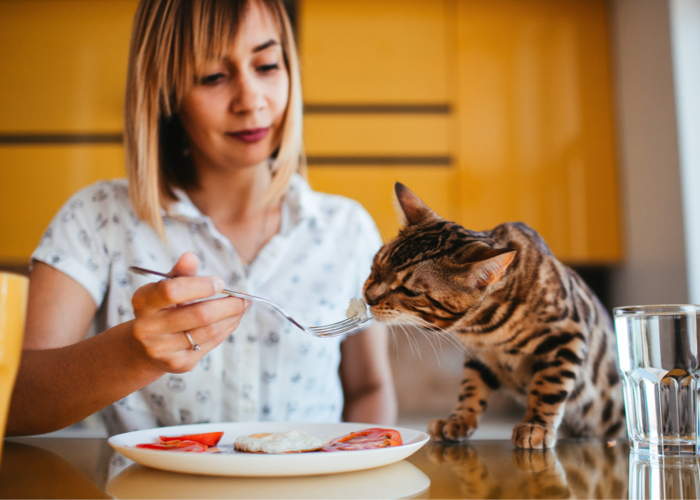
As a general rule, you should not feed the cat your leftover lunch. Often human food is too strongly seasoned for the cat. Leftover fat and bones, cooked or raw, are also not advisable. The fat upsets the digestive system and the cat can choke on small bone splinters or suffer internal injuries.
Raw meat and eggs
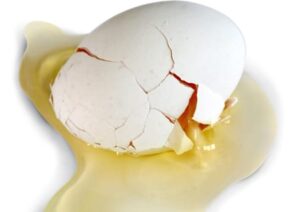
Raw meat, raw fish and raw eggs can contain bacteria to which even a cat is not immune and which cause food poisoning. In addition, raw fish destroys the B vitamin thyamine, which is essential for cats. Thyamine deficiency can cause neurological damage.
The danger with raw eggs is not only potential salmonella or E.coli poisoning. Raw egg whites contain the protein avidin, which inhibits biotin absorption. This can cause skin and coat diseases.
Tuna
Cats can become addicted to tuna. Feeding tuna occasionally is usually not a problem, but if the diet is exclusively tuna, the cat can become seriously deficient, as tuna does not have all the nutrients a cat needs. Also beware of mercury poisoning!
Sweets and chocolate
Chocolate is absolutely toxic for cats! Candies, chewing gum, toothpaste and certain dietary products contain the sweetener xylitol. Xylitol can stimulate insulin production in the cat's body and thus upset the blood sugar balance. It can also damage the liver. Symptoms range from vomiting, apathy and coordination problems to convulsions and liver failure.
Chocolate in any form can be deadly for cats. Chocolate (including white chocolate) contains theobromine. The substance, which is toxic to cats, can cause heart disorders, seizures and death.
Drinks
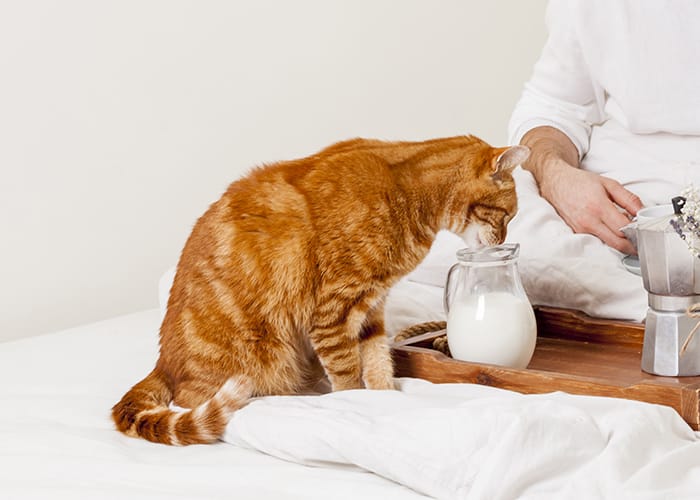
As far as milk is concerned, many adult cats are lactose-intolerant and they cannot tolerate cow's milk. They get diarrhoea and digestive problems. Cats that have regularly drunk cow's milk in smaller quantities all their lives are usually not lactose-intolerant, however. However, it is safer to avoid milk altogether.
All alcoholic drinks are absolutely taboo and poisonous for cats. Alcohol has a similar effect on cats as it does on humans, but even a small amount is enough to be fatal for a cat.
Caffeine can also be fatal for the cat. Caffeine poisoning manifests itself in nervousness, rapid breathing, muscle tremors or cardiac arrhythmia. Caffeine is found in coffee, cocoa, tea, cola, lemonade and energy drinks. Even some medicines contain caffeine.
Dog food
Dog food is not toxic for cats, however it is not sufficient for a cat as a permanent solution. The cat needs more protein and certain vitamins and fatty acids that are not present in dog food. If a cat is fed exclusively on dog food, it can show severe deficiency symptoms.
Yeast and raw pasta
Unbaked yeast dough can be very dangerous for a cat, because the raw dough will also continue to rise in the cat's body. This can block the stomach and intestines and lead to extreme pain, breathing difficulties and circulatory problems.
The dough rises because yeast and sugar convert into alcohol. The alcohol only loses its toxic effect when baked, so if the cat eats the dough raw, it can also get alcohol poisoning.