Bald lichen or bark lichen in cats is a contagious fungal infection that can affect all mammals. If the lichen in cats remains untreated, the infection can have serious consequences.

Bark lichen affects the skin, hair and claws. As it is a very contagious fungal infection for all mammals, including humans, a cat owner who suspects their cat may have lichen should take the animal to the vet immediately.
Like all other mammals, cats become infected with lichen when the fungus attaches itself to their fur or skin. Long-haired cats in particular are at risk of carrying the fungus under their long fur without showing any obvious symptoms. Cat owners should regularly and thoroughly examine cats with long fur for signs of lichen infection.
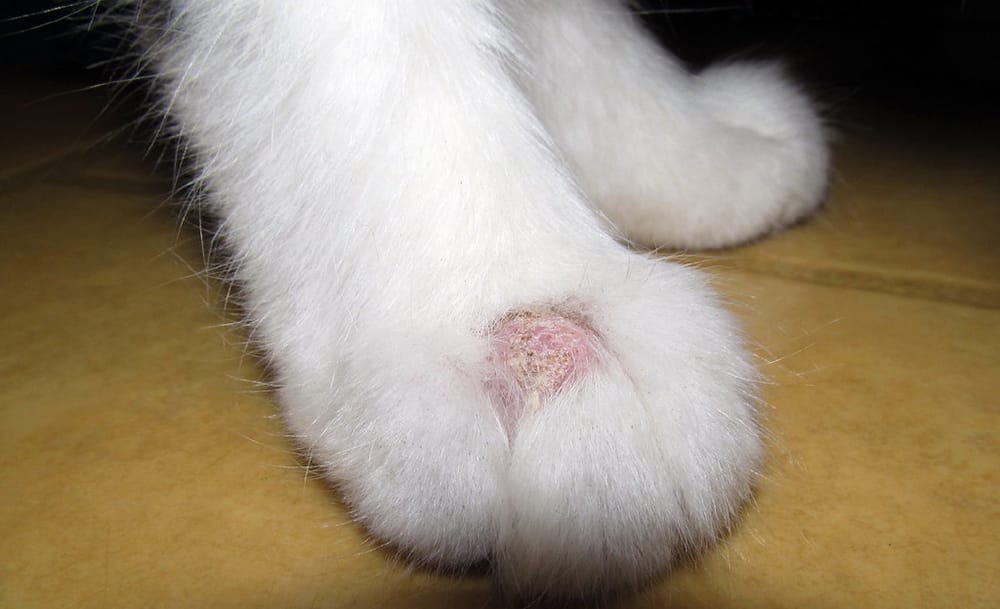
Symptoms of bark lichen in cats
Bark lichen causes scaly patches and hair loss around the mouth, head and front paws. The scabs of the lichen are reddish and round and cause itching. The cat tries to scratch around the affected areas.
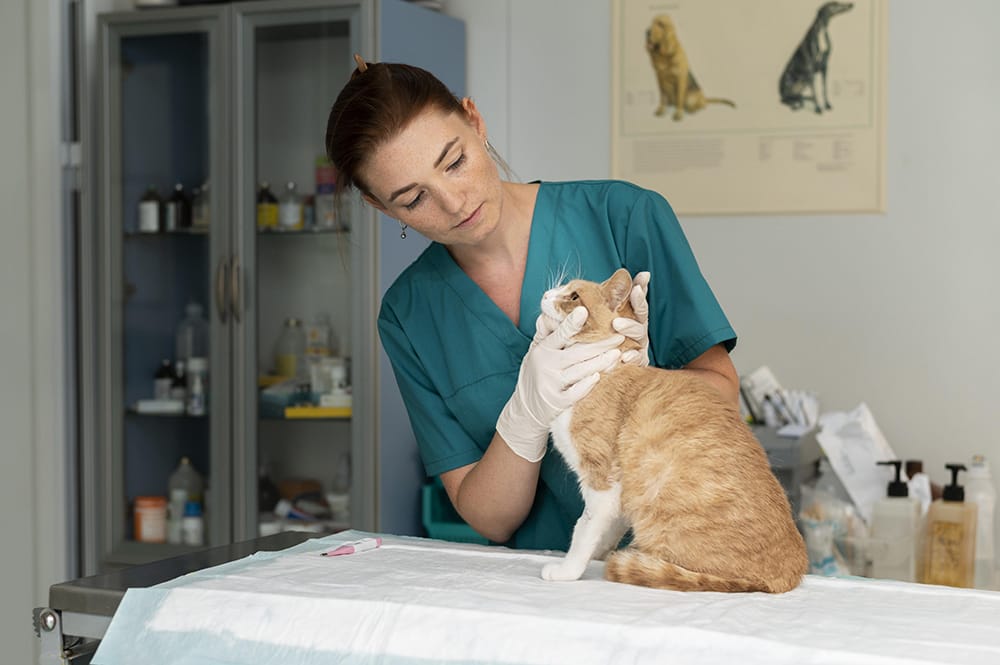
When the vet examines the cat for bark lichen, he will shine a special lamp on the cat's fur and skin. The infected areas will appear greenish-yellow under the lamp. However, as not all fungal strains are visible under this lamp, the vet will carry out a fungal test with a few hairs. Individual hairs are cultivated in a tube. If the hairs change colour, there is a fungal infection.
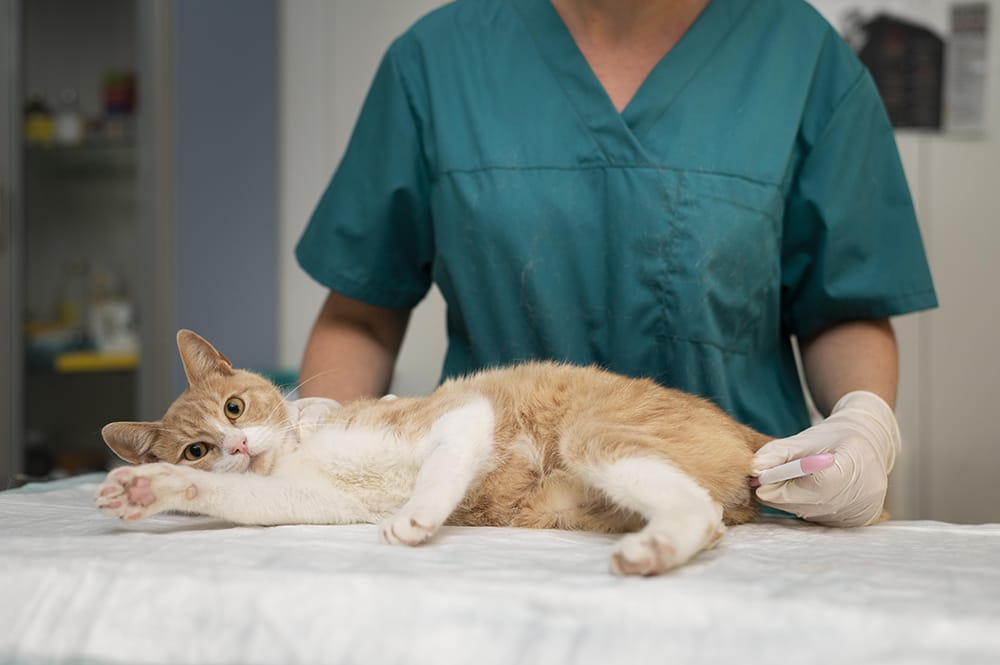
Treatment of bark lichen in cats
The vet will most likely prescribe an anti-fungal medication that the cat will have to take for several weeks. In addition, the cat owner must wash the cat twice a week with an anti-fungal shampoo. To prevent the cat owner from contracting the lichen when bathing the cat, he should wear rubber gloves, a face mask and eye protection. Blankets or pillows on which the cat sleeps as well as toys should be cleaned with a disinfectant or disposed of to be on the safe side. People in the household who are immunocompromised should stay away from the cat until it has recovered.