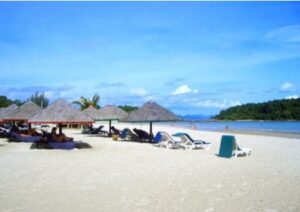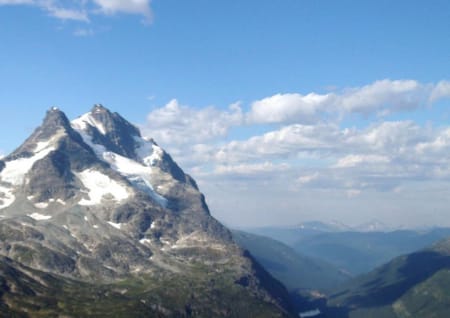
Higher altitudes can have a considerable effect on the body. The further you are from sea level (sea level), the less oxygen there is in the air and the air is less pressurised. The lower air pressure makes it more difficult for the body to absorb oxygen. If the body is not used to sudden differences in altitude, you can become ill - this is known as altitude sickness.

Symptoms of altitude sickness
Loss of strength, dehydration and nausea are typical signs of altitude sickness. It can feel a bit like a hangover, even if you haven't drunk any alcohol.
Prevention of altitude sickness
To prevent altitude sickness, you should gradually acclimatise to different altitudes. This gives the body time to adapt to the changes in air density and the lower oxygen content. Additional measures to prevent altitude sickness include
- sufficient fluid intake. High altitudes thicken the blood and the body consumes more fluid. To avoid dehydration, you need to keep your body's water balance high and drink plenty of fluids. It is not necessary to drink so much during the entire stay, but especially during the first week.
- no caffeine and alcohol. Both can dehydrate the body and promote nausea.
- Rest and composure. During the first few days, you should take it easy and not demand maximum performance from your body. A few easy walks are sufficient exercise and do not use up too much energy.
- If possible, you should take a few days and only walk a few hundred metres higher every other day. Take a rest day in between to allow your body to adapt.