
Bluffing and manipulation: Bluffing is a form of manipulation. Successful bluffers are masters of psychological manipulation, at least for a moment. They radiate cool self-confidence, but beneath the thin mask they are vulnerable. Why do many people pretend to be stronger, smarter or better than they actually are?

In many situations, the bluff is a shot in the dark, because the deception can be seen through just as easily. The outcome is variable, as in games of chance, but often the bluff is the only way out of a seemingly hopeless situation.
The evolution of the bluff
Successful deception can save someone from an unpleasant situation or protect others from having their feelings hurt. It can protect against trouble and even save lives.
Indeed, the evolutionary biology of cognition has made bluffing and manipulation a valuable tool for the survival of many species. Rats, for example, are seen to turn their desperation to deception when they attack with steely determination the cat that has chased them. A good deception can turn the tide and make the supposed loser the winner.
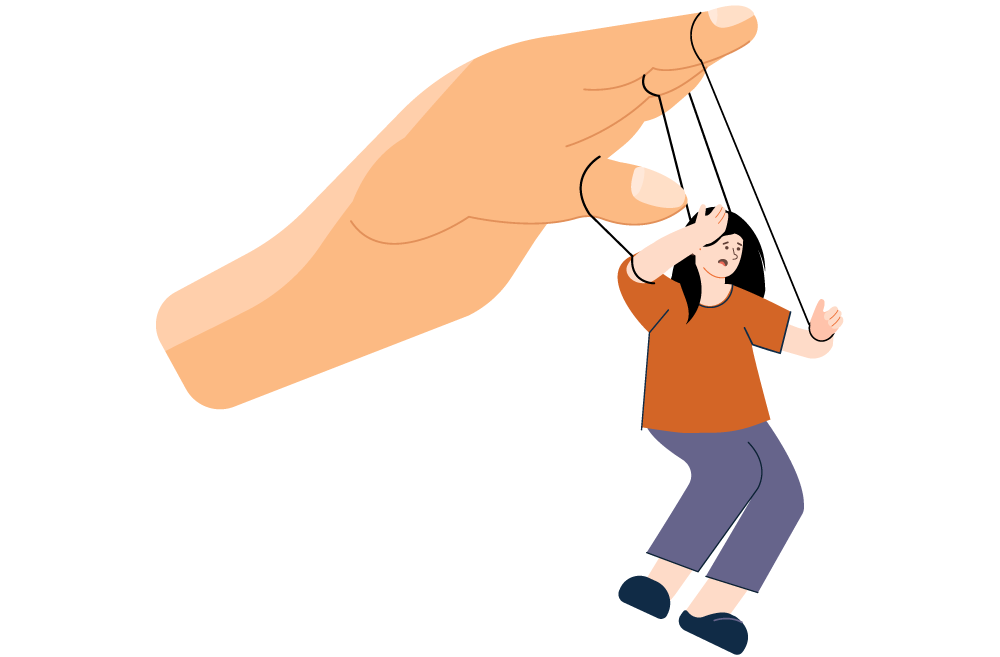
Bluffing and manipulation must be learned
Artful pretending is not innate, but must be learned and practised. However, children start learning to bluff at the age of six months. One of the first deceptions is crocodile tears, because they learn quite quickly that they get their parents' attention when they cry. Usually they also get their way through this. A positive outcome reinforces the signal in the brain and deepens the experience.
Confident appearance with complete cluelessness
Who doesn't know them, the seemingly all-knowing classmates or work colleagues who are always brimming with self-confidence and always have an answer ready. They are often nothing more than experts at bluffing. They have learned that having a confident air gives them an advantage, even if there is not always something behind it. Insecure people tend to admire these dazzlers and aspire to be like them. This is no coincidence, because the self-confidence they display really does make a lot of things in life easier for them.
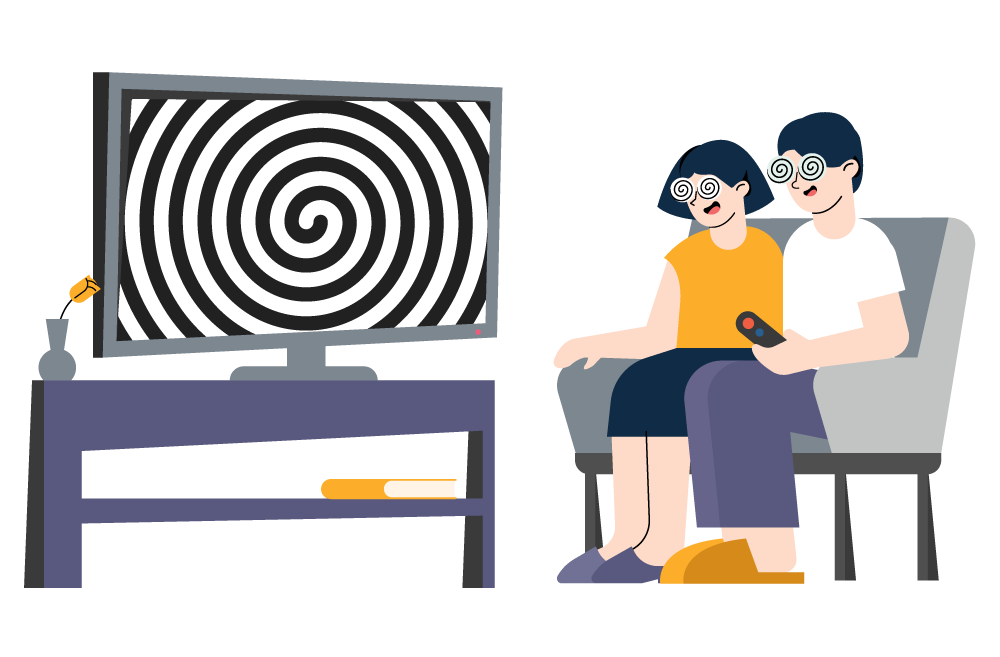
Bluffing and manipulation in the animal world
In a fight between dolphins and sharks, dolphins have no realistic chance. However, being intelligent animals, they have developed a clever bluff to defeat their strong opponents by avoiding a direct fight. The dolphin rushes straight and fast towards the shark, which sets itself up for a duel. Instead of contact, however, the dolphin's agility allows it to dodge at the last second. the shark, not expecting such a manoeuvre, loses its opponent as a result.
The smart plover: a master of deception
An excellent example of bluffing is shown by the plover. If its nest is threatened by a predator, it feigns injury and limps away, apparently fleeing. The predator sees easy prey in him and sets off in pursuit. In the process, he forgets about the nest. Shortly before he reaches his prey, the plover suddenly takes to the skies unharmed and flies away.