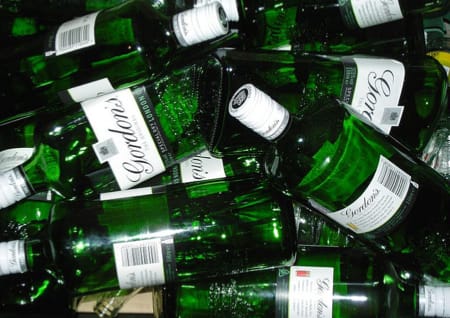
Glass is more than two and a half millennia old and thus one of the oldest forms of packaging. In recycling, used glass is melted down and processed into new glass containers.

The three main ingredients of glass are sand, sodium carbonate and lime. Provided it is strong, uncontaminated material, the glass is not worn out by processing during recycling and can therefore be recycled as often as desired.
On average, it takes two to three months for the glass from the recycling container to be processed into new glass and put back on the shelves for sale. This means that any given piece of glass is recycled four to six times a year.
Recycling glass as opposed to using raw materials reduces energy consumption by 75%. This is mainly because the production temperature is much lower, saving oil and energy. The energy saved by recycling a single glass bottle could light a 15 watt light bulb for 24 hours.
New glass bottles contain between 40 and 70% of waste glass. For every tonne of glass recycled, 225kg of carbon dioxide is saved. In addition, there is a huge amount of raw material saved.
How to avoid contamination
Lids and other closures should be removed from the jar before placing in the recycling container and recycled separately. Food residues should be removed, but it is not necessary to rinse the glass. Those who still prefer to throw in rinsed glass should take already used rinsing water and not waste fresh water on it.
Labels do not need to be removed.
Contamination can occur when heat-treated glass is mixed with the recyclable glass. This includes window panes, kiln glass, light bulbs, mirrors and some drinking vessels. The melting temperature of these specially processed glasses is much higher and, when mixed with the normal glass, can result in the molten glass not being able to form properly or becoming brittle.