Herbs containing phenols, naphtalenes, pyrethrum and citronella act as natural agents against insects. Insecticides are often compounded using synthetic production of these components. These herbs keep the insect infestation in the garden low:

Wormwood helps against moths, worms, snails and flies.
Origanum repels moths, flies, ants, mice, mosquitoes, cockroaches and termites.
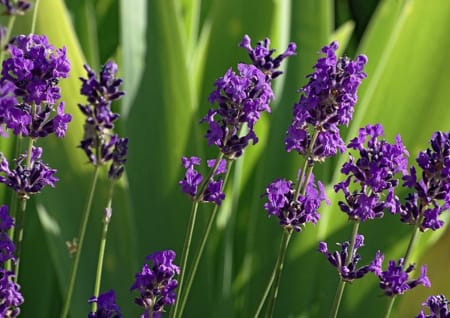
Lavender works well against flies and silverfish.
Mint repels flies, fleas, ants and rats.
Thyme is known as a repellent against flies, mosquitoes and beetles.
Lemongrass contains citronella and is effective against mosquitoes.
Basil repels most flying insects.
Sage helps against flies, mosquitoes, cockroaches and ants.
The herbs work best when they are planted in small groups among the other plants and are well distributed in the garden. In addition to choosing the right herbs, garden maintenance is also important. A healthy garden is the most effective defence against insects.
Weak and diseased plants should be removed as they attract insects. Dispose of the plants outside the garden area.
Regular fertilisation with compost and mulching helps to ensure a good growing medium. This will give you stable and healthy plants.
Weeds and debris are a breeding ground for insects, so the garden should be kept free of debris and weeded regularly.
Many insects are plant-specific. Mixing different plant species reduces the likelihood of insect infestation. To avoid re-infestation, the plants should be planted in rotation every year so that the insects that have overwintered in the soil do not re-infest the plants.
Do not overwater and ensure good drainage, as wet leaves are a good breeding ground for insects.
Don't forget to clean the garden tools after gardening.