Proteins are important nutrients for the body, they are the building blocks of life. Since a lot of protein comes from meat products, many people think that vegetarians don't get enough protein. In fact, the average person consumes too much protein and becomes ill as a result.

The average diet in the western world provides for a protein intake that is twice as high as necessary. In addition, the main sources of protein are animal products, which also contain a lot of fat. Many people do not realise that their body needs less protein than what they consume.
A high-protein diet for athletes, to lose weight or to prevent deficiency diseases is advertised everywhere. However, the healthiest diet is one that is rich in carbohydrates and low in fat and only contains protein in moderation. Regularly consuming too much protein can make you ill.
What diseases can be caused by excess protein?
Osteoporosis. Too much protein in the body leads to calcium loss through urine output. A plant-based diet can protect against osteoporosis, as vegetables contain a healthy amount of protein and calcium. Calcium-rich vegetables include greens, beans and nuts.
Cancer. Fat is one of the main triggers of cancer, but animal protein also plays a major role. Certain proteins contained in meat, fish and poultry are particularly carcinogenic if they are cooked at high temperatures, for example by grilling or frying.
Kidney failure. Too much protein causes nitrogen to be released into the blood. The kidneys have to work harder due to the nitrogen and can be damaged.
Heart disease. The intake of too much protein is usually associated with the intake of a lot of saturated fats and cholesterol. These factors are known triggers of heart disease.
In the diet, it is important to consume mainly vegetable protein and less animal protein. For vegetarians who eat dairy products, these are the only animal protein sources and there is usually no excess protein. There is sufficient protein in plant products. Non-vegetarians should therefore worry less about vegetarians having a protein deficiency and more about them consuming too much animal protein, which can put them at greater risk of disease.
Guidelines for protein intake
A diet high in protein is unhealthy, but protein is still vital. The right intake of healthy protein can easily be achieved through a vegetarian diet. While protein requirements vary from person to person, here are some guidelines.
5 portions of cereals, for example muesli or wholemeal bread. Each portion contains an average of about 3g protein.
Fruit or vegetables 3 times a day. Each portion contains about 2g protein.
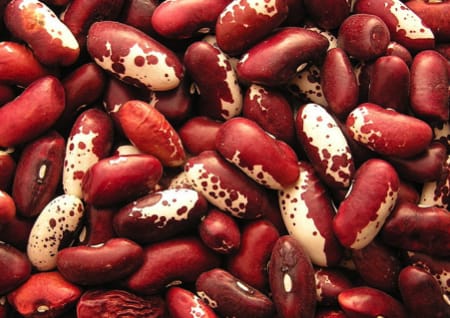
3 portions of pulses such as beans, peas, soya products or nuts. Depending on the type, the portions contain between 4 and 10g protein.
Cover photo: Andrew Butko