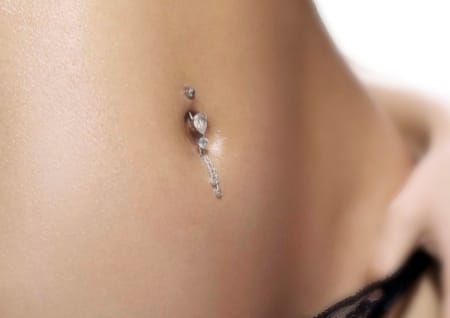
New piercings can cause painful and purulent inflammation, especially in sensitive areas such as the belly button and nipples. An infection must be treated so that it does not lead to blood poisoning.

The area around the piercing feels warm, is reddened and painful. Yellowish, foul-smelling pus or blood often oozes from the fresh piercing wound. The piercing should not be removed immediately in the event of an infection, as otherwise the hole will close and the pus can no longer escape.
Measures for faster healing of the infection caused by piercings
1. hot compress. Thoroughly wet a clean cloth and then place it in the microwave for half a minute so that it is hot. Press the compress onto the inflammation until the cloth has cooled down. This process can be repeated as often as you like. The hot compress increases the blood flow to the inflamed area so that the pus comes out more easily.
2 Wash the inflamed area with salt water. Dissolve a teaspoon of salt in a quarter of a litre of warm water. Place a piece of antiseptic gauze in the salt water and press it onto the sore. After cleaning the wound, throw away the salt water and gauze.
3. rub anti-inflammatory ointment regularly onto the wound.
4 If there is still pus trapped in the wound that will not come out, this can be pressed out with hydrogen. The hydrogen also has an antiseptic effect on the inflamed area. Do not use hydrogen once the wound has healed.
5 Infections can become dangerous if they are not treated. An infection that has not improved after two days should definitely be treated by a doctor.
Note: If you have an inflamed navel or nipples, you should not use alcohol to clean them, as although it has a disinfectant effect, it can inhibit healing.