Our stomach and intestines are sensitive, but unfortunately there are widespread habits in our society that repeatedly lead to indigestion and stomach pain. Often people even learn to live with stomach and intestinal complaints instead of adapting their eating habits to the sensitive digestive system. These are the worst sins that make the stomach and intestines sick:


Sins for the stomach
Eating too much at once
Everyone knows the feeling when food tastes so delicious that you pile too much on your plate. The feeling of fullness doesn't always come in time, before you already have too much in your stomach.
People also often make the mistake of eating little or nothing all day, so cravings build up and you find it hard to stop in time.
Eating too much all the time damages the digestive system immensely. It cannot produce enough enzymes and acids to efficiently digest the amount of food. As a result, some food is only half digested and strains the intestines.
You should therefore eat slowly, even if you are very hungry, to give your stomach time to send the right signals to your brain when it has had enough.
Not chewing thoroughly enough
Well chewed is half digested, and this proverb says it exactly. By chewing the food in the mouth, the digestive enzymes in the saliva can attach themselves to the food as it is chewed, making the work in the stomach and intestines much easier. If you swallow larger, unchewed pieces, they literally lie heavy in your stomach, because there the digestive juices have to work their way slowly through the food.
This is how reflux problems, heartburn, flatulence and stomach cramps develop. It is recommended to chew each mouthful 30 times and take smaller bites. Little tricks can help you swallow food less quickly. After each bite, put the knife and fork back down or eat with the less dominant hand.
Too little dietary fibre
Dietary fibres are important to help food pass through the digestive system more quickly and easily. They also promote the growth of "good" bacteria in the intestines, which strengthen the intestinal walls. Lack of fibre leads to constipation. One of the worst sins for the stomach is food that lacks fibre.
Fruit, vegetables, oatmeal, flaxseed and beans are particularly rich in fibre.

Too much stress and hectic
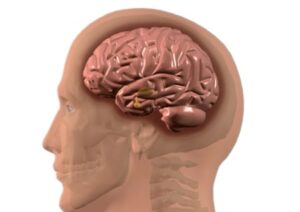
Hectic eating is one of the sins for the stomach. Certain nerve signals in the body are transmitted by neurotransmitters and regulate the digestive process.
Anxiety, nervousness, stress or constant hecticness cause an imbalance of neurotransmitters, which can trigger unpleasant symptoms. This can lead to flatulence and stomach complaints. Eating during a stressful situation can have a particularly negative effect. To reduce stress, try to relax before eating. Never eat when you are nervous.
Too little exercise
Physical activity supports the digestive tract. Food can then be better transported through the intestines. Regular walks, jogging, cycling or swimming counteract digestive problems and keep the body fit. Gentle, relaxing yoga exercises before meals help to reduce stress and prepare the body for digestion.

Food that is too acidic
Coffee, alcohol, smoked food or hot spices can attack the stomach walls if you have a sensitive stomach; they are among the worst sins for the stomach. Those who suffer from burning stomach pains a few hours after eating certain foods may have already developed a stomach ulcer. In this case, one should eat food that is especially kind to the stomach and strengthens the stomach walls, and avoid coffee, alcohol and too much fat. In any case, one should talk to the doctor if symptoms persist.
Too many antibiotics
Antibiotics are essential for humans and often life-saving. However, many people tend to take antibiotics unnecessarily and excessively. While an antibiotic is very effective in fighting bacterial infections, it also attacks the good bacteria in the body that are important for digestion. This can lead to poor absorption of nutrients. Therefore, after every treatment with antibiotics, you should eat a lot of yoghurt or sauerkraut for a few days to rebalance the bacteria in your stomach and intestines.
How does anxiety affect the stomach?
Sins for the stomach: What to do when stress torments the stomach?