The term chakra, which in German becomes either chakras or chakras in the plural, originally comes from Sanskrit, the language that was spoken in ancient India and is still the language of traditional teachings today, such as yoga and Ayurveda.
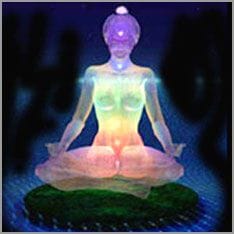
Chakra means something like "wheel, or circle in motion" and thus refers to the round shape it represents. Chakras are energy centres located at specific points in the human body. There are seven main chakras on which chakra therapy focuses. They represent the areas of a person's wellbeing and, if disrupted, can be responsible for a person having problems in that area.

Although the way we view these energy centres as an essential part of our body does not correspond to the Western imagination, we are well aware of them.
For example, we talk about having "a lump in our throat" when something is bothering us, or the feeling that "the rug is being pulled out from under us" when changes happen in life.
All of these things are perceptible on both the physical and emotional level, because they are always connected. There is no physical reaction without an emotional outburst and vice versa.
If the seven energy centres, the chakras, are in balance, we feel connected to the earth and to people, we can develop freely and experience love as giving and receiving. Inspiration and imagination accompany us, life fulfils us and makes us content.
If one or more of these chakras are disturbed, the energy within us cannot flow freely, neither can it be accepted correctly from the outside, nor can it be released from within. This leads to problems that affect the areas for which the chakra is responsible.
These seven main areas are:
First chakra - the foundation, located in the area of the coccyx
Second chakra - vitality, located in the area of the lower abdomen
Third chakra - sovereignty, located in the area of the solar plexus
Fourth chakra - the heart, located near the heart
Fifth chakra - self-expression, located in the neck and jaw area
Sixth chakra - the vision, in the area above the nose to the forehead
Seventh chakra - the crown, on the top of the head
The seven chakras are located approximately from the genital area up to the crown of the head and their distribution varies from person to person, as do the colours.
The first chakra stands for the home and how you feel there, whether you experience security and harmony or whether changes cause a feeling of instability.
The chakra of vitality influences the intestines, stomach and genitals and the emotions associated with these areas, i.e. sexuality, sensuality, pleasure and desire.
The third chakra stands for willpower, purposefulness and self-control, which become unbalanced when disturbed.
The fourth chakra of the heart is the centre of love, friendship and interpersonal relationships and therefore also the most important for our wishes and ideals.
In the chakra of self-expression we find control over creativity and communication, the means by which our soul is expressed.
The seventh and last chakra, which is also located at the highest point of our body, stands for the readiness to conceive spiritual truth in our lives. It enables us to recognise the unity of things and brings us closer to eternity.
Chakra therapy therefore seeks contact with the individual chakras, diagnoses their condition and helps to detect and neutralise the disruptive elements so that the energy can flow freely again and the person can make the necessary changes in their life that disturb the balance.