Torrefacto is the name given to coffee that is roasted in the traditional Spanish way with sugar. The fact that sugar is used raises the question of whether Spanish sugar-roasted coffee is suitable for diabetics.

Torrefacto is available in Spain, France, Portugal, Costa Rica and Argentina, but the unique flavour of sugar-roasted coffee beans is becoming increasingly popular all over the world. Torrefacto is available as a 100% sugar roast or blended with naturally roasted coffee beans, usually in a ratio of 70% regular coffee to 30% Torrefacto.
One of the largest manufacturers of torrefacto in Spain is: www.cafescamali.com
How does Torrefacto differ from regular roasted coffee?
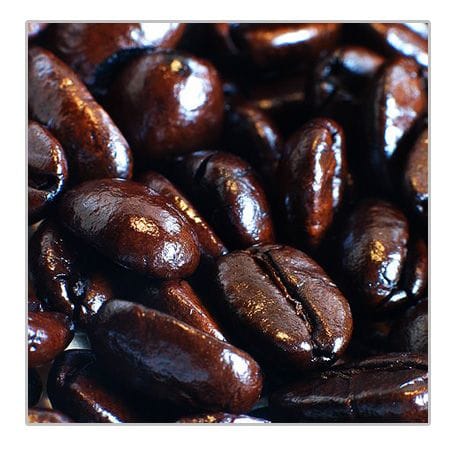
The coffee beans are first roasted in the conventional way. During the roasting process, sugar is added to the coffee beans. The sugar caramelises due to the heat and gives the coffee beans a dark, shiny appearance.
The added sugar influences the flavour, appearance and chemical composition of the coffee.
Sugar roasting reduces the acidity of the coffee, emphasising its natural flavour.
Sugar-roasted coffee contains more antioxidants, so it has higher antioxidant properties than conventional coffee.
The caramelised coffee is much darker than normal coffee and looks better for many coffee drinkers, especially as a cappuccino, latte or latte.
Torrefacto and diabetes
There is no indication that diabetics need to refrain from drinking sugar-roasted coffee or change their usual coffee consumption habits. It is also not necessary in the countries of production to inform a customer that it is a sugar roast.
The roasting process creates a dark brown glaze on the coffee bean. This glaze is created by a process known as pyrolysis, which changes the chemical composition of the sugar. During this process, the sugar is broken down into fructose and glucose. Fructose does not require insulin for metabolism and is therefore not a problem for diabetics. Glucose is usually a cause for caution in diabetics, but the amounts of glucose in a cup of coffee are so small that it has less of an effect on diabetes than the caffeine in coffee. Caffeine can cause fluctuations in the sugar balance, so as a diabetic you should already know how much coffee you can tolerate. To find out more about the effects of caffeinated coffee on diabetes, you should consult your GP.
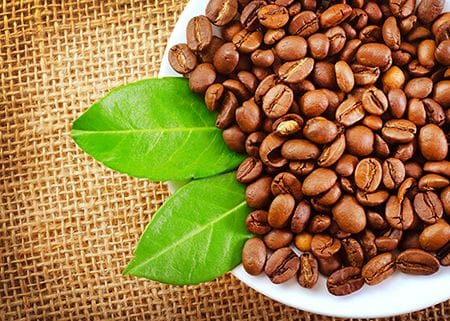
The cover picture shows sugar-roasted coffee beans. This is what conventionally roasted coffee beans look like in comparison: