Nowadays we are used to the convenience of buying most food packaged and ready to eat in the supermarket. It is therefore essential that these foods are preserved for as long as possible so that they do not spoil during transport and storage.

Preservatives are chemical additives that significantly extend the shelf life of our food.
Mould and bacteria. Antimicrobial agents inhibit the growth of bacteria and mould. Without the addition of antimicrobial agents, there is a risk of bacterial poisoning, which can even be life-threatening in extreme cases.
Fats. When fats come into contact with oxygen, they quickly become rancid and acquire a bad flavour. For this reason, antioxidants are added to fatty foods to prevent the fats from becoming rancid.
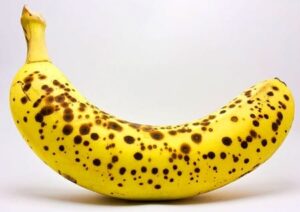
Enzymes. Fresh fruit continues to ripen after harvesting and quickly turns brown due to enzyme reactions. If preservatives are added to the fruit, the rotting of the fruit is delayed and it looks fresh for longer.
Structure and flavour. Other additives in foods enhance flavour or colour or strengthen the structure. Foods enriched with artificial vitamins and minerals are stabilised at the same time.